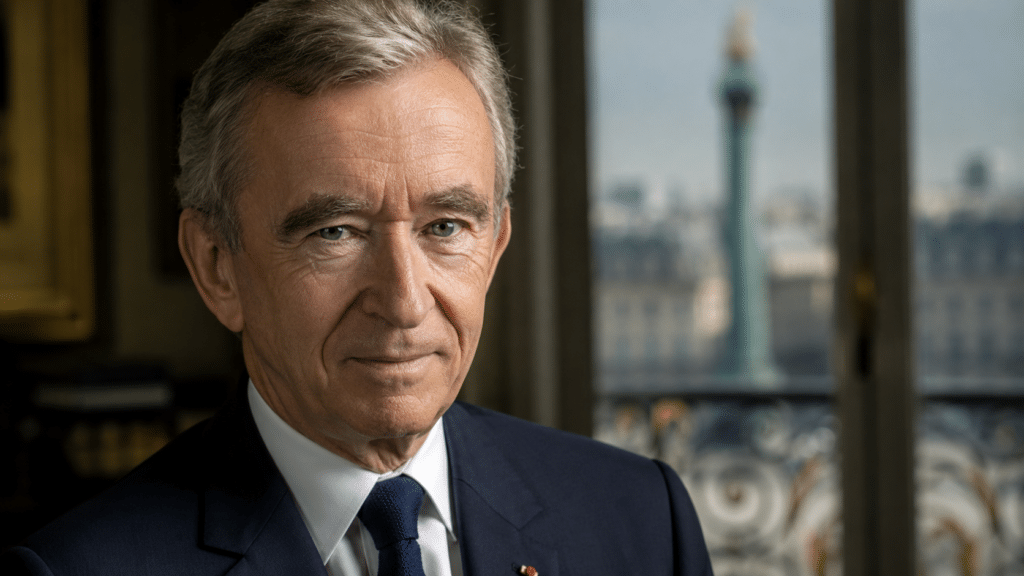
Bernard Arnault is the “Wolf in Cashmere,” a man who transformed the fragmented world of high fashion into a global empire worth hundreds of billions of dollars.
As the chairman and CEO of LVMH, he oversees the world’s most prestigious portfolio of brands.
His rise is a masterclass in ruthless patience.
He didn’t invent luxury, but he figured out how to engineer and own it at a scale previously thought impossible.
At his peak, Arnault has ranked as the wealthiest person in the world on the Bloomberg Billionaires Index, with a net worth that has fluctuated around $150 to $200 billion depending on LVMH’s market performance.
He got there by being patient, ruthless, and very good at spotting undervalued heritage brands that the market hadn’t priced correctly.
This article walks through how he did it, why it worked, and what the LVMH story reveals about aggregation, status economics, and the business of desire.
Why Bernard Arnault Matters In Luxury
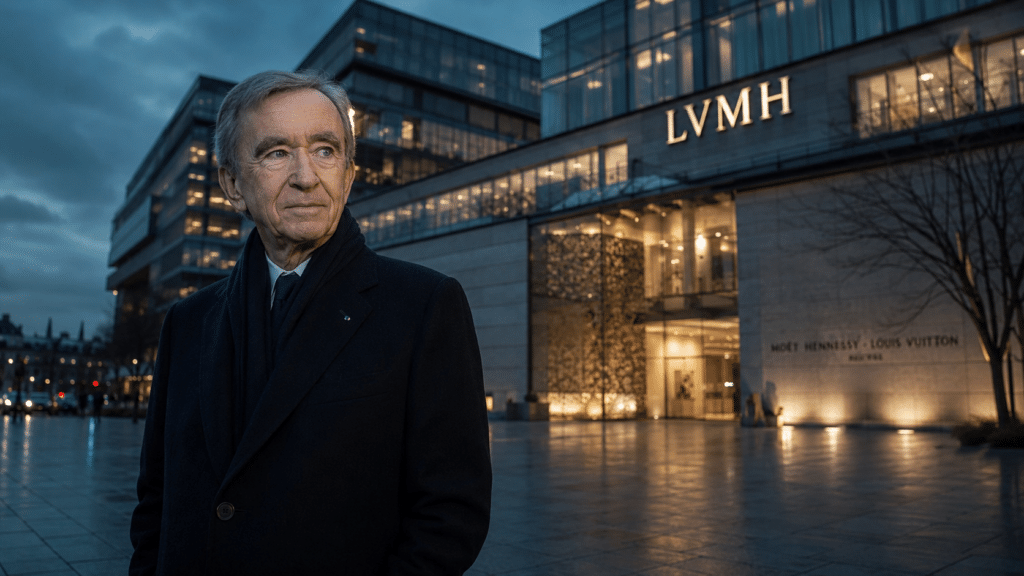
Arnault’s influence across the luxury sector goes well beyond managing a large portfolio.
He built a system where owning the distribution, the creative talent, the real estate, and the brand heat all reinforces itself.
How LVMH Became The Dominant Luxury Group
LVMH, formally Moët Hennessy Louis Vuitton, controls an extraordinary range of luxury brands across fashion, spirits, jewelry, beauty, and retail.
You’re talking about Louis Vuitton, Christian Dior, Moët Hennessy, Hennessy, Sephora, Tag Heuer, and Tiffany & Co, among dozens of others.
The group didn’t assemble by accident.
Arnault spent decades acquiring heritage houses that were either family-run, undercapitalized, or mismanaged, and then applying scale without erasing what made each brand desirable in the first place.
What Arnault Controls Across Fashion, Jewelry, Beauty, And Spirits
The breadth of LVMH’s portfolio is part of what makes it structurally powerful.
In fashion and leather goods, Louis Vuitton and Christian Dior are the anchor brands.
In beauty, Sephora gives LVMH a massive direct-to-consumer retail network.
In watches and jewelry, Tag Heuer and Tiffany & Co cover different price tiers within the luxury goods space.
What this means practically is that Arnault captures consumer spending at multiple points in the luxury sector, not just at the very top.
Why His Influence Extends Beyond A Typical CEO
Arnault operates more like an architect than a conventional LVMH CEO.
He sets the acquisition strategy, approves major creative hires, and controls the holding structure that keeps the family in power.
As noted in a Forbes analysis of his leadership, he’s redefined what it means to run a luxury group by combining corporate discipline with genuine taste.
That combination is genuinely rare.
From Engineering And Real Estate To Dior
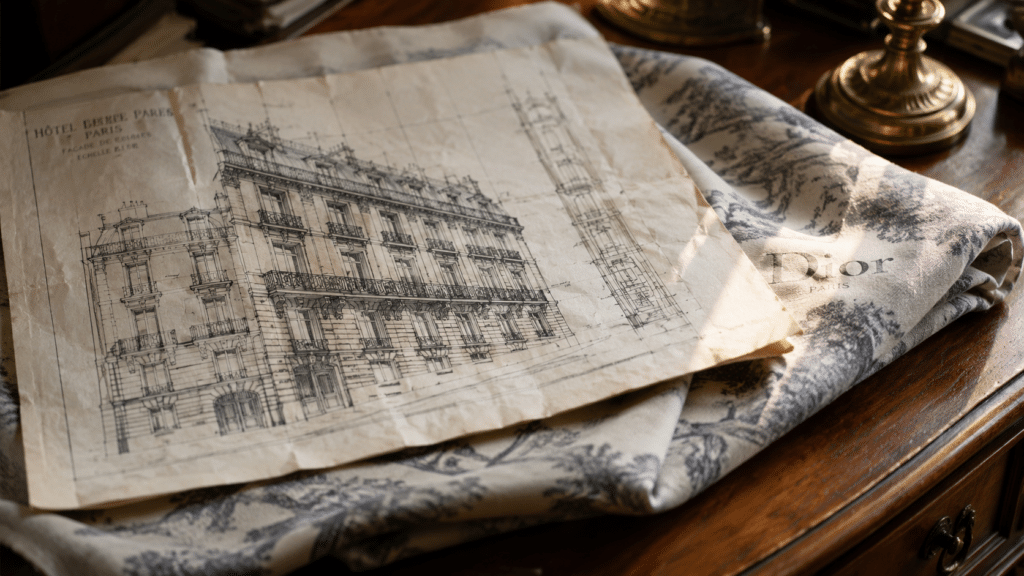
Arnault’s path into the luxury industry was indirect.
He came from engineering, moved into real estate, and ended up controlling Christian Dior through a series of calculated moves that most people didn’t see coming.
École Polytechnique And The Ferret-Savinel Years
Arnault was born in Roubaix, France in 1949 and studied at the École Polytechnique, France’s elite engineering school.
After graduating, he joined his father’s civil engineering company, Ferret-Savinel, and worked his way up to chairman by 1978.
The engineering background shaped how he thinks.
He approaches businesses structurally, looking for leverage points rather than chasing trends.
The Move Into Real Estate And Early Capital Building
While at Ferret-Savinel, Arnault persuaded his father to shift away from construction and focus on real estate.
According to the Bloomberg Billionaires Index profile, that pivot turned out to be the right call.
It also gave Arnault his first lesson in capital allocation: sometimes the most valuable move is exiting what you’re in and redeploying into something with better long-term returns.
He also spent time in the United States during this period, where he observed the American real estate market and broadened his sense of what was possible at scale.
Boussac Saint-Frères, Financière Agache, And The Dior Turning Point
In 1984, the French government was looking for someone to take over Boussac Saint-Frères, a struggling textile conglomerate that happened to own Christian Dior Couture.
Arnault, backed by Antoine Bernheim of Lazard Frères, acquired the holding company, Financière Agache (also called Agache), and set about reorganizing it.
He stripped out the unprofitable textile assets and focused the group around Dior and luxury, returning the business to profitability fairly quickly.
That move established the template he’d use for the next three decades: find a distressed holding structure with a prized asset inside, clean out the noise, and build around the crown jewel.
Groupe Arnault, his personal holding company, became the financial vehicle he’d use to fund what came next.
The Acquisition Playbook That Built The Empire
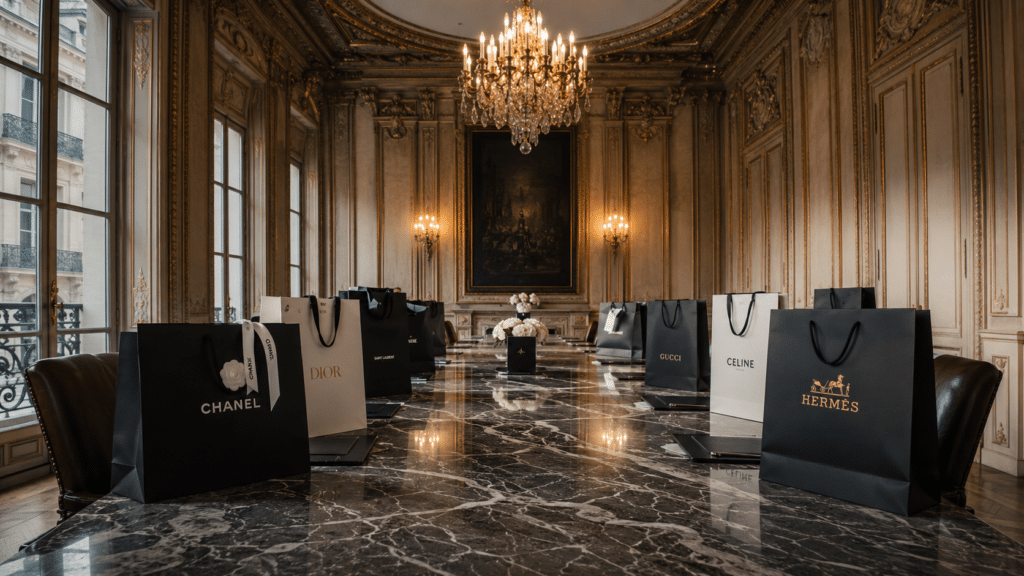
Arnault’s reputation as a tough, strategic dealmaker came from how he pursued and won control of LVMH and the brands that followed.
His method was specific and, at the time, fairly novel in a luxury industry that mostly ran on family relationships and handshake deals.
Winning Control Of LVMH
The LVMH story is one of the more aggressive corporate plays in modern business history.
In 1987, Moët Hennessy and Louis Vuitton had merged to form LVMH, but the two founding families, the Chandon-Moëts and the Vuittons, immediately started fighting over control.
Arnault saw the opening.
He quietly accumulated shares, ultimately becoming the majority shareholder of LVMH in 1989, and has served as chairman and CEO ever since.
The existing shareholders didn’t see it coming until it was too late.
That’s where the “Wolf in Cashmere” nickname came from, as noted in coverage by Europe Says.
Rolling Up Heritage Houses Across Categories
Once inside LVMH, Arnault went shopping.
The acquisitions came steadily across different categories:
- Fashion: Givenchy, Kenzo, Celine, Loewe, Berluti, Christian Lacroix
- Jewelry and watches: Tag Heuer, Bulgari, Tiffany & Co
- Beauty: Guerlain, then expanded through Sephora
- Retail: La Samaritaine department store in Paris
Each brand had history and name recognition.
Most were undercapitalized or stuck.
Arnault brought distribution power, financial backing, and in many cases, shareholder and executive committee restructuring that cut underperformance.
How Arnault Used Capital, Timing, And Brand Selection
The selection criteria mattered as much as the price.
Arnault wasn’t buying just any luxury brand.
He was specifically hunting for what he called “star brands,” those with strong enough heritage and global recognition to survive being inside a conglomerate without losing their identity.
Fendi is a good example.
The Italian house was family-run and had real creative potential that wasn’t fully realized.
After LVMH acquired it, Karl Lagerfeld’s work for the brand got serious runway and distribution support.
The timing piece was equally important.
Arnault made several of his biggest moves during or right after market dislocations, when prices were lower and sellers were more motivated.
Scaling Luxury Without Killing Exclusivity
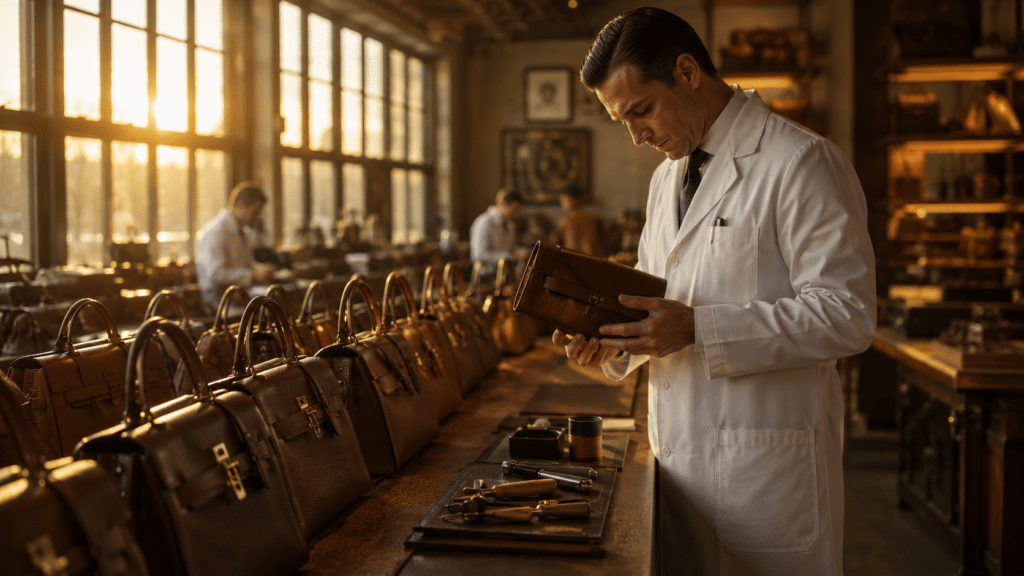
The central tension in Arnault’s model is one that any business student should find genuinely interesting.
Luxury brands derive their value partly from scarcity and exclusivity.
The moment you scale too fast or distribute too widely, you dilute the very thing people are paying for.
Arnault solved this by thinking about the business in two separate layers.
Centralized Back-End, Decentralized Front-End, Store Networks, Real Estate Leverage, And Global Distribution
On the back end, LVMH centralizes everything that doesn’t affect the customer’s perception of the brand.
Media buying, lease negotiations, logistics, talent procurement, financial systems.
This is where the scale advantage shows up.
A portfolio of 75 fashion houses commands dramatically better terms with landlords and media companies than any single brand could alone.
The store network itself is a form of real estate leverage.
LVMH controls prime retail locations in cities like New York, Paris, Tokyo, and Shanghai, often through long-term leases or outright ownership.
That’s a competitive moat that’s genuinely hard to replicate.
As a Finterra analysis described it, Arnault pioneered applying “rigorous corporate discipline, centralized marketing power, and supply” chain management across heritage houses without stripping away their identity.
Protecting Brand Heat Through Creative Autonomy
On the front end, each brand keeps its own creative director, its own aesthetic, and its own cultural identity.
When Arnault brought Marc Jacobs to Louis Vuitton in the 1990s, he gave him real creative freedom.
Same with John Galliano at Christian Dior and Alexander McQueen during his tenure at Givenchy.
This decentralized front-end model lets each house stay culturally relevant on its own terms.
You’re not getting a homogenized “LVMH aesthetic.”
You’re getting Dior and Vuitton and Celine each doing their own thing, while sharing infrastructure underneath.
The Fondation Louis Vuitton, the Frank Gehry-designed cultural institution in Paris, fits this philosophy too.
It signals that Arnault sees the Louis Vuitton Foundation as something beyond a brand, more like a cultural institution with staying power.
Competition, Market Cycles, And The Economics Of Status
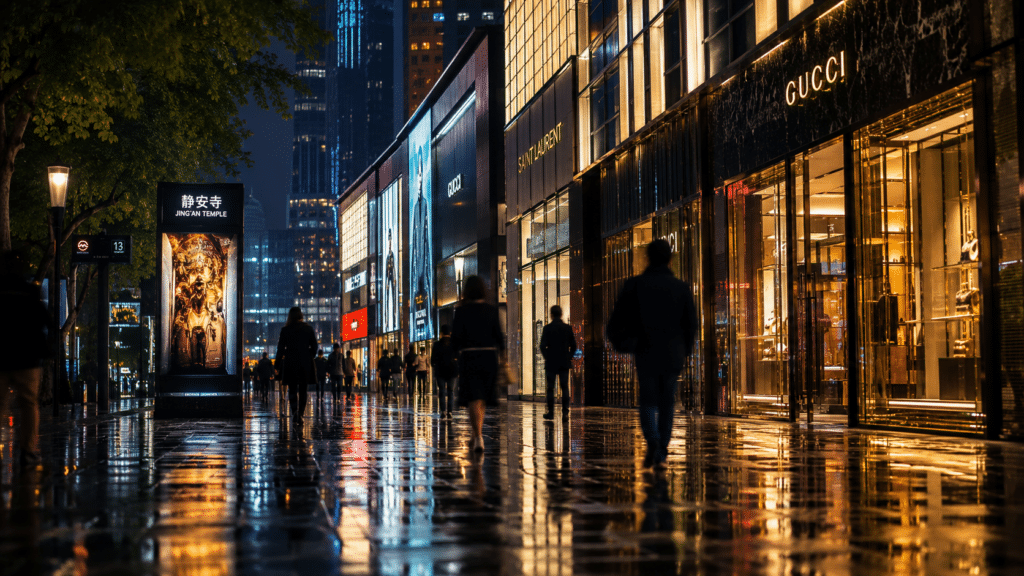
LVMH doesn’t operate in a vacuum.
The global luxury market includes serious competitors, and the broader economic environment shapes how even the wealthiest consumers behave.
How LVMH Competes With Hermès, Kering, Richemont, And Prada
The main competitors in the luxury market break down into a few camps. Hermès stands apart as the most aggressively exclusive, with extremely controlled supply and a waiting list culture that LVMH’s Vuitton doesn’t replicate at the same level.
Kering, led by François-Henri Pinault, owns Gucci and other houses with a different portfolio architecture, as noted in executive authority analysis. Richemont controls the watch and jewelry space, particularly through Cartier.
Prada operates more independently.
LVMH’s advantage over all of them is scale and diversification. If fashion has a weak year, spirits and beauty might hold up.
The portfolio spread reduces single-category risk.
What Slowdowns Reveal About The Luxury Market
Post-pandemic, the luxury market went through a significant super-cycle followed by a cooldown, particularly tied to Chinese consumer spending.
According to a 2026 LVMH outlook analysis, Arnault has expressed measured optimism about recovery but acknowledged geopolitical and economic volatility as real risks.
Slowdowns are useful for studying the structural strength of individual luxury brands. When spending tightens, aspirational consumers pull back first.
The truly high-end segments tend to be stickier.
Why Jewelry, Beauty, And Top-Tier Brands Hold Up Better
I think this is one of the more underappreciated parts of LVMH’s portfolio construction. Jewelry and top-tier fashion have strong resale markets and perceived asset value, which gives buyers a psychological justification that pure fashion doesn’t always offer.
Beauty, especially through Sephora’s accessible price points, holds up in downturns because people trade down from experiences before they cut beauty spending.
Profitability in the luxury sector correlates closely with brand tier and category.
The economics of LVMH rest on commanding premium pricing through positioning rather than competing on volume.
Governance, Family Control, And What Comes Next
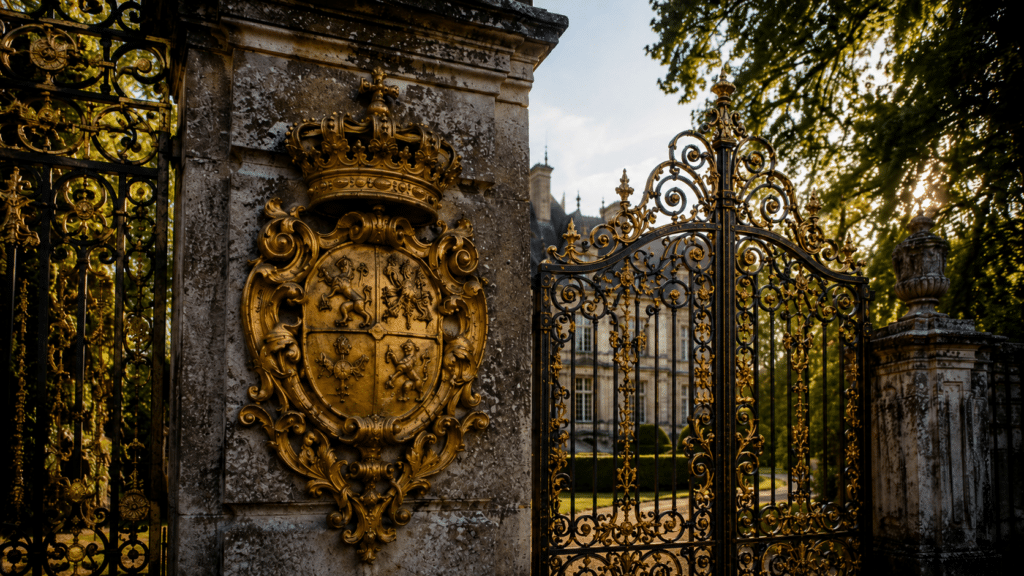
The question of what happens to LVMH after Arnault is both a governance issue and a business risk.
He’s built the company around his own judgment to a degree that makes the succession question legitimately complicated.
The Arnault Family Inside The Business
The Arnault family controls LVMH through a layered holding structure. The key vehicle is Christian Dior SE, which in turn controls LVMH.
The Arnault family collectively holds over 50% of LVMH’s capital and approximately 65.94% of the voting rights, which means no outside shareholder can force a direction change.
All five of Arnault’s children hold senior roles inside the group. Delphine Arnault is CEO of Christian Dior Couture.
Antoine Arnault leads corporate image and communications. Alexandre, Frederic, and Jean each hold leadership roles elsewhere in the business.
According to governance filings cited by Fashion United, each of the five children holds a 20% stake in Agache Commandite SAS, the entity designed to transfer control of the family holding company after Arnault.
Succession Questions And Investor Attention
Despite the structural setup, shareholders and markets remain uncertain about who actually takes the top job.
As covered by Finance Monthly, the lack of a named successor is a genuine governance concern for investors.
Arnault has signaled he intends to stay longer, with reporting from April 2026 indicating he’s postponing any transition by several years.
Given his age of 77 and the complexity of the empire, that timeline keeps succession at the front of investor minds.
How Wealth, Holding Structures, And Public Profile Shape The Story
Arnault’s wealth is closely tied to LVMH’s market cap rather than liquid assets. His net worth moves with the stock.
Economist Gabriel Zucman and others have written about how ultra-wealthy individuals structure holdings through family vehicles to minimize tax exposure and maintain control, and the Arnault structure is a textbook example of that approach.
His public profile is more restrained than figures like Warren Buffett or Elon Musk. He rarely does interviews and avoids being the story.
The brands are the story. That deliberate low profile is itself a strategic choice, one that keeps attention on the portfolio rather than the person.
Frequently Asked Questions
How did he end up taking control of the company in the first place?
Arnault spotted a conflict between the founding families of LVMH in the late 1980s after the Moët Hennessy and Louis Vuitton merger created friction between shareholders. He quietly accumulated a stake through Groupe Arnault and became the majority shareholder in 1989 while the existing parties were focused on fighting each other.
Does he still own a majority stake, or is it more complicated than that?
It’s more layered than a simple majority stake. The Arnault family controls LVMH through a chain of holding structures, most notably Christian Dior SE, which gives the family over 50% of the capital and around 65.94% of the voting rights according to the Luxury Tribune. This structure keeps external shareholders from having any real power over strategic decisions.
What luxury brands sit under the group’s umbrella today?
LVMH’s portfolio spans fashion and leather goods (Louis Vuitton, Christian Dior, Celine, Givenchy, Loewe, Fendi), watches and jewelry (Tiffany & Co, Tag Heuer, Bulgari), spirits (Moët Hennessy, Hennessy), and beauty retail (Sephora), among others. The group holds over 75 brands in total across those categories.
How did he build his fortune over time?
His wealth tracks directly with LVMH’s stock price, which has compounded significantly since he became chairman and CEO in 1989. According to Daniel Scrivner’s analysis, LVMH has delivered roughly 16.4% annualized returns since that year. The initial capital came from his family’s real estate pivot and the Financière Agache acquisition.
What’s known about his wife and family life?
Arnault has been married twice. His second wife, Hélène Mercier, is a classical pianist. He keeps his personal life largely out of the press, which fits his general approach of staying out of the spotlight while his brands stay in it.
How many children does he have, and are any of them involved in the business?
He has five children, and all of them hold senior positions within LVMH or its portfolio companies. Delphine Arnault is CEO of Christian Dior Couture, and Antoine Arnault handles corporate image and communications at the group level, as confirmed by Insight Luxury’s 2026 reporting. Alexandre, Frederic, and Jean each hold leadership roles across other parts of the business.
I spent years working in tech and digital publishing, where I saw how quickly industries, brands, and consumer behavior can change. I created Rich Digest to explore the business behind luxury, from iconic products and influential founders to pricing, scarcity, ownership, and brand strategy. My goal is to make the world of luxury business clear, interesting, and easy to understand.