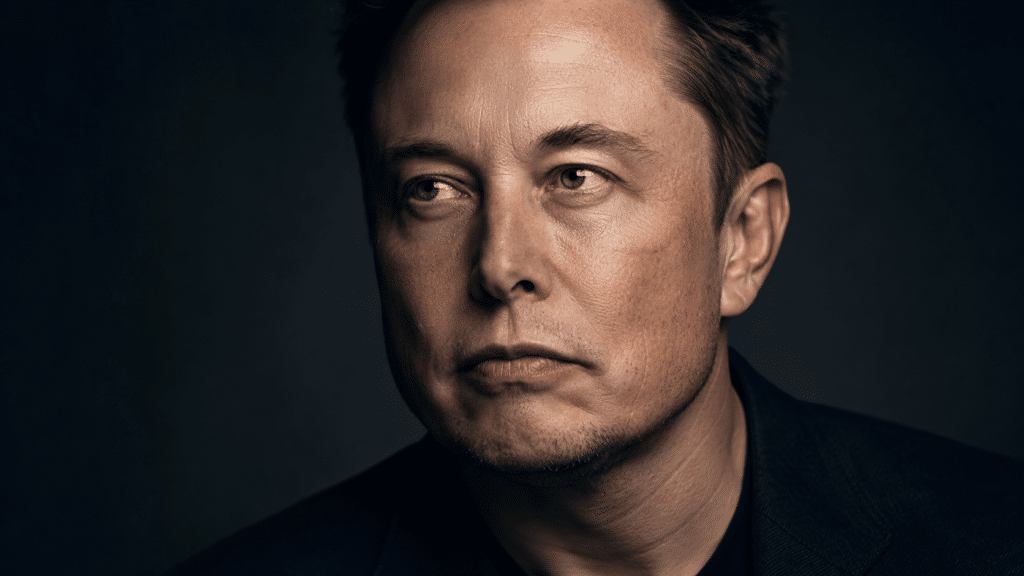
Elon Musk has built something most founders never get close to: a personal brand so large it functions as a distribution channel. When he posts, markets move. When he tweets about a product, headlines follow.
Studying his approach matters because attention can be turned into a measurable asset across several companies at once. It’s more than just celebrity.
You’ve probably seen the usual advice: be authentic, post more, and build in public. While these aren’t wrong, they don’t cover the full strategic picture.
Musk’s personal brand acts as actual infrastructure. It lowers marketing costs, helps launch products, and shapes how investors think about his ventures.
If you’re a founder, operator, or marketer, the real question is how much of this playbook you can actually use for your own situation.
How Musk Turned Himself Into The Distribution Channel

Musk didn’t just build a brand to stay relevant. He built it to replace traditional marketing infrastructure.
The result is a setup where an executive’s online presence does the work that ad budgets, PR agencies, and media tours used to handle.
Why Founder-Led Reach Replaced Traditional Campaigns
Traditional marketing depends on paid distribution. You create a message, buy access to an audience, and hope it lands. Musk changed that dynamic.
His reach gives his companies direct access to hundreds of millions of people without extra costs. With over 190 million followers on X, he has more reach than most media companies.
When he teases a launch, his audience sees it first, the media covers it, and it spreads organically. The need for paid ads almost disappears.
Founders should see this as a lesson in building a compounding distribution asset rather than just trying to get famous. Starting early makes future distribution much cheaper.
The Zero-Dollar Marketing Logic At Tesla
Tesla famously avoided traditional ads for most of its history. That worked because the marketing was happening elsewhere. Tesla grew through product-driven buzz and Musk’s direct public presence instead of media buys.
Think about the savings here. A typical car company spends billions on ads every year. Tesla redirected that money into R&D and manufacturing.
The CEO’s presence in the attention economy covered the awareness and demand that usually requires a massive budget. This functions as a fundamental cost-saving measure.
Direct Communication As A Strategic Asset
Most executives talk through layers of PR teams and media relations departments. Musk skips all that and speaks directly to people through his posts and replies.
That directness builds a different kind of trust. Hearing from the actual decision-maker feels less transactional than reading a corporate statement.
It makes people feel like they’re following a leader whose judgment they trust rather than just a communications department.
Why Attention Compounds Across His Companies

The most interesting part is how Musk’s brand helps all his companies at once. Attention from one project often spills over into the others, creating a halo effect for everything in his portfolio.
Cross-Promotion Between Tesla, SpaceX, And X
Tesla, SpaceX, and X all share the same attention pool. A big rocket launch gets global coverage, which brings more eyes to Musk, which then helps Tesla and X.
The companies are separate, but the brand equity flows through a shared center.
Most conglomerates struggle to link their brands together, but Musk’s brand does it automatically. Fans of SpaceX naturally learn about Tesla, and Tesla owners follow his updates on X.
The audience doesn’t compartmentalize these brands the way they would with a typical corporate structure.
How Starlink, Neuralink, And The Boring Company Benefit
Smaller ventures like Starlink and Neuralink benefit from this reflected attention.
They don’t have the marketing resources of the bigger companies, but they get mainstream media coverage primarily because of Musk’s involvement.
Neuralink, for example, operates in a very technical field.
Its announcements get massive attention because people are interested in Musk’s overall portfolio, not just brain-computer interfaces.
This control over media visibility creates amplification at a scale most companies can’t buy.
The Attention Flywheel Behind Brand Value
The flywheel works like this: Musk does something notable, the media covers it, his audience grows, and his next announcement gets even more reach. Each cycle makes the next one bigger.
Over time, this has turned into “attention capital.” It makes every product launch or funding round more visible and credible than it would be on its own.
The Messaging System Behind The Persona

The persona isn’t just random. There’s a system behind it. What looks like impulsive posting is actually built on consistent messaging and specific ways of engaging with the public.
Authenticity, Consistency, And Audience Trust
Most executives are told to stay quiet and avoid controversy. Musk does the opposite. His posts often feel unedited and personal, which creates a sense of access that polished corporate talk can’t match.
Consistency is key, too. Musk has been talking about the same ambitious goals for years. You know what to expect: blunt opinions and a focus on changing the world with tech. That reliability makes his brand stick.
Vision-Driven Messaging
Musk doesn’t talk about Tesla as just a car company or SpaceX as a service provider. He frames them as essential for the future, moving away from fossil fuels or making life multi-planetary.
This changes how people see the products. Buying a Tesla feels like participating in a global shift, not just purchasing a vehicle. That narrative turns customers into advocates.
Engagement, Memes, And Viral Moments
Musk uses memes and internet humor as a real way to reach people. It keeps his audience engaged and creates viral moments that go far beyond his direct followers.
The memes aren’t the whole strategy, though. They’re just the way he delivers his core messages about ambition and disruption. The style changes, but the underlying positioning stays the same.
How Public Visibility Shapes Demand And Market Perception

Musk’s brand doesn’t just attract attention; it creates real effects on business outcomes like customer behavior and investor decisions.
Brand Loyalty And The Customer Evangelist Effect
Tesla owners are unusually loyal. Part of that is the product, but a lot of it is the narrative Musk built. People buy into a vision they find compelling.
This loyalty leads to repeat purchases and a customer base that actively defends the brand.
Of course, this connection cuts both ways. Because the founder is so visible, his public behavior directly influences how customers feel about the product.
Investor Confidence, Media Coverage, And Market Value
Musk generates a volume of media coverage that most companies couldn’t get with paid campaigns.
Every viral moment keeps Tesla and SpaceX in the public conversation, which sustains investor awareness and supports market value.
When his public standing is strong, it reinforces confidence in the company. When it weakens, it can become a liability.
How Brand Perception Influences Financial Performance
In a competitive market, brand perception is a major differentiator.
Tesla’s image as a premium, forward-thinking company has allowed it to maintain higher margins than a pure hardware comparison would justify.
This premium is supported by the ongoing narrative Musk shares. If the narrative weakens, that brand premium can start to fade.
The Costs Of Making The Founder Part Of The Product

There’s a trade-off in this model. When the founder is inseparable from the brand, everything they do affects the company. It’s efficient when things go well, but it creates exposure when they don’t.
Reputational Risks Of Unfiltered Posting
Being direct builds trust, but it also creates more ways for things to go wrong. A single post can lead to a PR crisis or a regulatory headache.
Without the usual PR filters, things move faster, but mistakes are more public. The upside is authenticity, but the downside is a higher error rate.
When Controversy Hurts Company Reputation
Attention and trust aren’t the same thing. Attention gets people looking, but trust keeps them buying.
When a founder gets involved in controversies unrelated to the business, it can alienate customers.
We’ve seen how Musk’s political statements have shifted how some groups feel about the Tesla brand.
Reputation Management In A Personality-Led System
Traditional reputation management relies on communications teams to shape the narrative. In a personality-led system, the founder is the narrative, which makes things much harder to manage.
The goal is to build brand equity in the product and the mission as well as the person. This helps the company stay strong even if public opinion of the founder shifts.
What You Can Actually Apply From This Playbook

Most of what Musk does relies on his unique scale and history. However, some parts are useful for any founder if they’re applied with good judgment.
What To Borrow From Musk
The best parts to borrow are the structural ones: talk directly to your audience, focus on a mission rather than just features, and treat your online presence as a distribution asset. These principles work regardless of your company’s size.
It’s usually best to avoid the parts that rely on chaos and controversy. Most founders don’t have the resources to survive that kind of reputational hit.
Leadership Style and Executive Branding
Leadership style and executive branding are related, but they serve different purposes. Your leadership style affects your team and culture, while your brand is how the world sees your vision.
The most effective approach is to treat executive branding as a deliberate communication strategy. You can be direct and opinionated without being unpredictable.
A Practical Framework For Visibility
If you’re building your own visibility, start with a clear point of view on where your industry is going.
Engage with people directly so you feel accessible, and link your work to a mission that’s bigger than your product line.
Building a personal brand takes time, and the benefits often don’t show up for a few years, but the long-term distribution advantage is worth the effort.
Frequently Asked Questions
How does he shape the public image of his companies?
Musk acts as the link between all his ventures. His brand creates a single narrative about the future, making different companies feel like they’re part of one big mission. This creates a level of brand unity that’s usually very expensive to build through conventional marketing.
What role does his social media play?
It works as his PR, investor relations, and customer service all at once. Because he posts himself, he can shape public opinion much faster than a typical communications team. Of course, it also means his personal opinions can quickly become a business problem.
Why do his product launches get so much attention?
He designs them as events, not just announcements. By combining big claims with his own personal involvement, he turns a launch into a story that the media wants to cover. The SpaceX Starship tests are a great example of technical milestones framed as a larger story.
How do controversies around him impact customer trust?
It depends on the person. Big fans usually ignore it, but people who were already on the fence might decide to walk away. Recent analysis shows that his public political stance has changed how some groups see the Tesla brand and their willingness to buy.
What branding lessons can founders take from his storytelling?
The biggest takeaway is to focus on a mission larger than the product. People don’t just buy features; they want to support a vision. A strong story helps a brand stay relevant through tough times and competition.
How do his personal values influence the brands?
His views on things like free speech or space travel become tied to his companies. This builds a lot of loyalty with people who agree with him, but it also creates friction with those who don’t. It makes the brand stand out, even if it’s polarizing.

I spent years working in tech and digital publishing, where I saw how quickly industries, brands, and consumer behavior can change. I created Rich Digest to explore the business behind luxury, from iconic products and influential founders to pricing, scarcity, ownership, and brand strategy. My goal is to make the world of luxury business clear, interesting, and easy to understand.