If you’ve ever heard the Sara Blakely Spanx story, you probably remember the part about cutting the feet off pantyhose. It’s a good detail.
But the more interesting part isn’t the scissors. It’s that she took a $5,000 idea and turned it into a billion-dollar company without ever taking a single dollar from outside investors.
That choice shaped everything: how fast she had to get profitable, how she marketed the product, and how much leverage she had when Blackstone came knocking decades later.
Most founders don’t think about equity that way at the start. Blakely did, even if instinctively.
This article walks through the full arc of her journey as an entrepreneur and American inventor, from a wardrobe frustration in Florida to becoming a self-made female billionaire.
Along the way, you’ll see how her decisions around ownership, distribution, and authenticity add up to something worth studying.
The Idea That Turned A Wardrobe Frustration Into A Company
The shapewear category didn’t invent itself. Someone had to notice the gap, believe it was worth solving, and figure out what a better product would look like.
Blakely did all three before she had a company name or a single manufacturing contact.
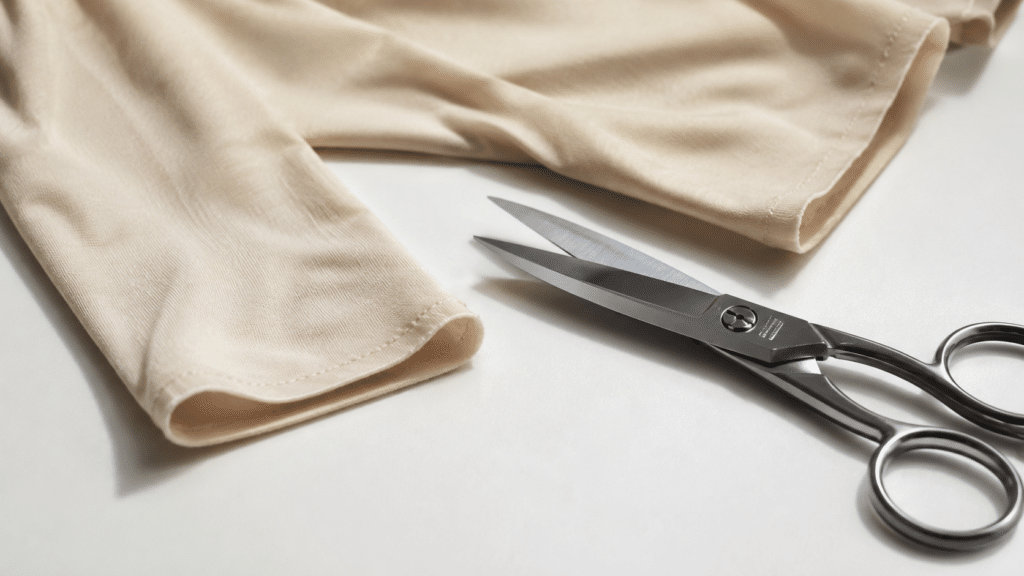
Cutting Off The Feet Of Control-Top Pantyhose
Blakely wanted to wear white pants to a party in Florida and couldn’t find anything underneath that worked.
Control-top pantyhose gave her the smoothing effect she wanted, but the feet showed under open-toed shoes. So she cut them off.
The result worked better than anything on the market. That homemade fix became the foundation of Spanx’s entire product concept.
It sounds almost too simple, but that’s kind of the point.
The best product ideas often solve problems that already exist in plain sight.
Why The Product Clicked In Shapewear
The shapewear category at the time was mostly uncomfortable, unflattering, or both.
Leggings and control-top pantyhose were the main options, and neither was designed around what women actually wanted to wear.
Blakely’s footless version offered smoothing without the visible panty line or the bunching around the ankle.
She was solving a real problem for a specific customer: herself.
That clarity of intent is something a lot of product launches miss entirely.
From Personal Problem To Commercial Opportunity
Once Blakely confirmed the concept worked on her own body, she started researching whether a product like this already existed.
It didn’t, at least not in a form that solved the full problem. That gap told her she had something.
According to a profile on her founding story, she was born in Clearwater, Florida in 1971 and had no fashion or retail background before starting Spanx.
That lack of industry experience, rather than holding her back, kept her thinking like a customer instead of a manufacturer.
Why She Chose To Bootstrap And Keep Full Ownership
Blakely’s decision to self-fund wasn’t a grand philosophical stance on venture capital. It was practical.
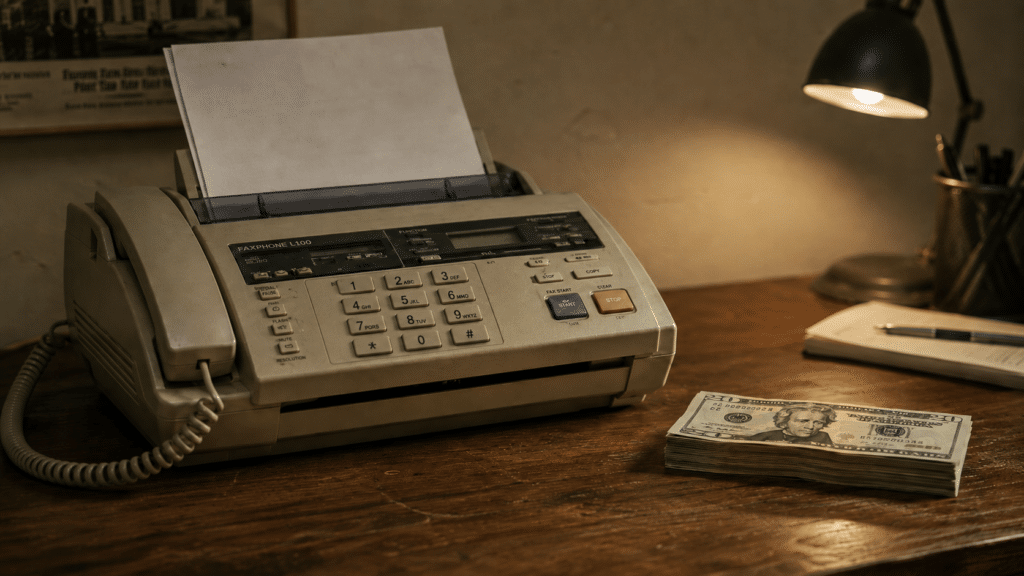
She had $5,000 in savings and a job selling fax machines, and she used what she had.
That constraint turned out to be one of the best strategic decisions she ever made, even if she didn’t frame it that way at the time.
Starting With $5,000 From Selling Fax Machines
Blakely was working a door-to-door sales job, selling fax machines across Florida, when the Spanx idea took shape.
She saved $5,000 and put all of it into getting the product off the ground.
No pitch decks. No angel rounds.
She used the sales skills she’d built up to push the product forward herself, calling mills and retailers the same way she’d been calling businesses for years.
As noted in the Spanx startup overview at Fundable, Spanx hit $4 million in revenue in its very first year.
Hard to argue with that number as a proof of concept.
How No Venture Capital Forced Early Profitability
When you don’t have investor money to fall back on, you can’t afford to lose it.
Blakely had to make sales work immediately.
That pressure pushed her to get the product into Neiman Marcus in 1999, a move that validated the brand fast and created real annual revenue from day one.
Founders who raise early often burn runway figuring out product-market fit. Blakely didn’t have that cushion.
The product had to sell, so she made sure it did.
The Long-Term Value Of Retaining Equity
The equity math matters here.
As explained in this analysis of Spanx’s bootstrapping strategy, Blakely maintained 100% ownership for over 20 years.
When Blackstone approached her, she negotiated from a position of complete control.
She didn’t owe anyone a return. She didn’t need to justify the deal to a board.
She could say yes or no on her own terms, and that’s a kind of leverage most founders trade away in their first funding round.
Building The First Product Without Fashion Industry Backing
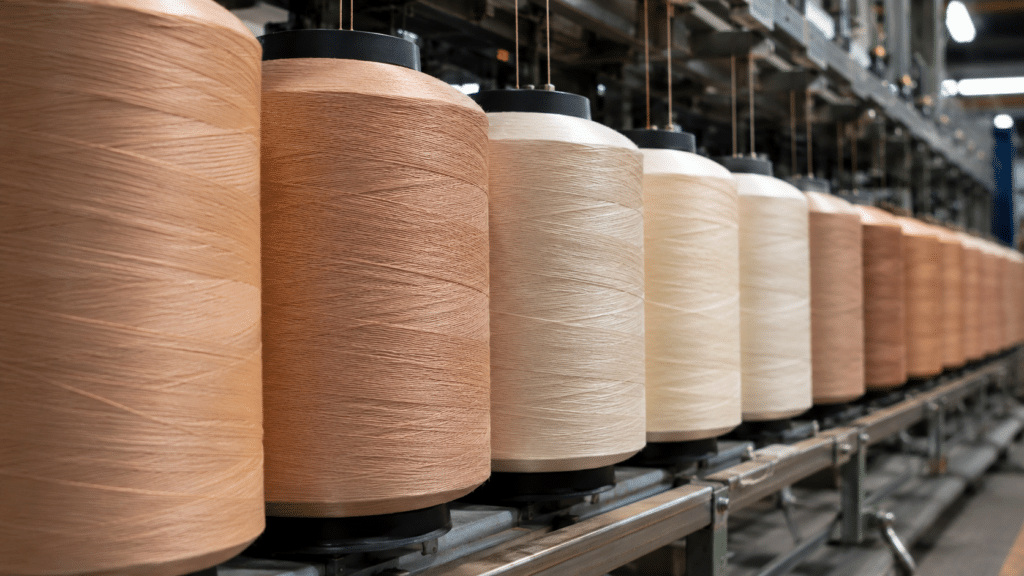
Getting from a homemade prototype to a retail-ready product is harder than it sounds.
Blakely had to figure out manufacturing, intellectual property, and packaging without any industry contacts or formal training.
She did it anyway, and the way she approached each obstacle says a lot about how Spanx got built.
Researching Mills And Hearing Early Rejections
Blakely spent months cold-calling hosiery mills trying to find someone willing to make her product.
Most of them turned her down.
As described in her solo journey building Spanx, she had no contacts in the hosiery industry and had to work through rejection after rejection before a mill owner in North Carolina agreed to take a chance on her idea after talking it over with his daughters.
That detail matters.
She didn’t give up after the first no, or the fifth. She kept calling.
Writing The Patent Application Herself
To save money on legal fees, Blakely researched patent law at a local library and wrote most of her own patent application before having a lawyer review it.
This approach saved her a significant amount of money at a stage when every dollar counted.
The patent covered her footless, control-top pantyhose design and gave her a legal foundation to build the Spanx brand on without worrying about immediate copycats.
I think this move also reflects something important: she was willing to do uncomfortable work in areas where she had no expertise, which is a pattern you see throughout her early years.
Naming, Packaging, And Launch Prep
Blakely came up with the Spanx name herself after reading that brand names with a hard “k” sound tend to perform better in marketing.
She also wrote her own packaging copy, including the humorous, personal tone that became part of the brand’s identity.
She modeled the packaging on Absolut Vodka’s look: simple, clear, and distinctive on a shelf full of generic hosiery boxes.
Hacking Distribution Before Big Marketing Budgets

Blakely had a product and a patent, but she had no advertising budget and no PR team.
So she did what she knew how to do from years of fax machine sales: she showed up in person, told the truth about what the product did, and let the results speak for themselves.
The Neiman Marcus Bathroom Demonstration
When Blakely got a meeting with a Neiman Marcus buyer in Dallas, she took the buyer to the bathroom and showed her the product on her own body, before and after.
That demonstration was enough. Neiman Marcus agreed to carry Spanx in seven stores.
According to the Fundable overview of Spanx’s milestones, this happened in 1999, just a year after she started the company.
The lesson here is that if you believe in what you’re selling, showing works better than telling.
How Oprah Winfrey Changed The Sales Curve
In 2000, Oprah Winfrey named Spanx one of her favorite products of the year. Sales went to $10 million.
That’s not a coincidence: an Oprah endorsement at that time was one of the most powerful consumer signals in the country.
Blakely had sent Oprah’s team a gift basket with product samples, which shows she understood where to place her bets without spending much to do it.
The Oprah effect is well documented in coverage of how Spanx scaled, and it represents a real turning point in the brand’s trajectory.
What QVC, Saks, And Target Added To Growth
After the Oprah moment, distribution expanded quickly.
Spanx appeared on QVC and sold over 8,000 units in under six minutes.
Saks and Target followed, putting the product in front of very different customer segments at the same time.
That combination of premium retail and mass-market channels let Blakely build brand credibility at Saks while growing volume through Target, a smart two-track approach that most early brands can’t pull off without major funding.
The Founder Story Behind The Sales Strategy

Blakely’s ability to walk into a Neiman Marcus bathroom and pitch a stranger didn’t come from nowhere.
Her background before Spanx shaped her communication style, her tolerance for rejection, and her instinct for performance in ways that proved essential once she started selling.
Florida State University, The LSAT, And Early Career Detours
Blakely graduated from Florida State University and initially planned to become a lawyer.
She took the LSAT twice and didn’t score well enough to pursue law school.
That door closing pushed her toward a sales career, which, in hindsight, gave her exactly the skills she’d need to build Spanx from scratch.
The LSAT detour is worth noting because Blakely has talked about failure as useful information rather than as a sign to stop.
That mindset runs through her entire story.
Walt Disney World And Learning To Perform
Before the fax machine job, Blakely worked briefly at Walt Disney World, an experience that gave her early practice in performing for strangers and staying upbeat in situations that called for it.
It sounds like an odd stop on a business biography, but learning to be comfortable in front of people, and to stay warm when things get awkward, turns out to matter a lot when you’re cold-pitching department store buyers.
How Authenticity Became The Brand Voice
Blakely’s packaging copy, her early media appearances, and her product pitch to Neiman Marcus all shared the same quality: she talked about the product like a real person who used it and loved it, not like a corporate spokesperson.
That voice became a brand differentiator at a time when most apparel companies communicated in polished, impersonal language.
Her authenticity was free marketing, and it was hard for competitors to copy.
What Builders Can Learn From Spanx After The Blackstone Deal

The Blackstone deal reframed how people look at the Spanx story.
It showed that bootstrapping wasn’t just a scrappy early-stage strategy. It was a 21-year equity play that paid off in a major way when the time was finally right to bring in outside capital.
From Sole Owner To Executive Chairwoman
In 2021, Blackstone acquired a majority stake in Spanx at a reported $1.2 billion valuation. Blakely transitioned from founder and CEO to executive chairwoman.
As noted in analysis of the Blackstone deal, she had built a profitable, growing company with significant expansion potential before she ever sat down with a private equity firm.
That’s a very different negotiating position than a seed-stage founder pitching on potential.
She also gave each of Spanx’s roughly 750 employees $10,000 in cash to mark the occasion.
What Blackstone Changed And What It Validated
Bringing in Blackstone gave Spanx the infrastructure and capital to scale internationally in ways that would have been hard to fund organically.
But more importantly, the deal validated something about the bootstrapping strategy: she didn’t need outside money to build the company into something valuable.
She needed it to take the next step.
That distinction matters if you’re a founder weighing when and whether to raise.
Blakely’s timeline suggests there’s value in waiting until you have leverage, rather than raising early because it feels like the expected move.
Philanthropy, The Sara Blakely Foundation, And The Next Chapter
Blakely has been vocal about using her wealth to support women entrepreneurs.
The Sara Blakely Foundation focuses on empowering women through education and entrepreneurship.
She’s also known for the Red Backpack Fund, which gave grants directly to female entrepreneurs during the pandemic.
She appeared on Richard Branson’s Rebel Billionaire television series early in her career and has continued investing in founders through various channels.
Most recently, she launched Sneex, a new footwear brand, showing that her appetite for building from scratch hasn’t slowed down after the Spanx exit.
Frequently Asked Questions
How did she come up with the idea for shapewear in the first place?
Blakely wanted a smooth look under white pants but didn’t want visible pantyhose feet under open-toed shoes. She cut the feet off a pair of control-top pantyhose, wore them out, and liked the result. That personal fix became the basis for the entire Spanx product line.
What were the biggest hurdles she faced after she made her first prototype?
Finding a manufacturer was her first major obstacle. Most hosiery mills turned her down because the order volume was too small and the concept was unfamiliar. She also had no fashion industry contacts, which meant she was starting every conversation cold.
How did she fund the business before it started making money?
She used $5,000 in personal savings from her job selling fax machines door to door. She didn’t take any outside investment, which meant she had to generate revenue fast. Spanx hit $4 million in sales in its first full year.
How did she convince manufacturers to take her seriously as a first-time founder?
It took persistent cold-calling and a lot of rejection before a mill owner in North Carolina agreed to produce the product. According to accounts of her early manufacturing search, the mill owner consulted his daughters, who liked the concept, and that’s what tipped the decision.
How did she get her product into major retailers like Neiman Marcus?
She secured a meeting with a Neiman Marcus buyer and made a live in-person demonstration, showing the product on her own body in a restroom. The buyer was convinced on the spot. Spanx launched in seven Neiman Marcus stores in 1999.
What role did her sales background play in getting the company off the ground?
Years of door-to-door fax machine sales gave Blakely a high tolerance for rejection. She also developed a direct, no-frills communication style. As explored in this look at her sales-to-founder path, those skills translated directly into how she pitched buyers. They also influenced how she approached manufacturers, and eventually marketed the brand to consumers.

I spent years working in tech and digital publishing, where I saw how quickly industries, brands, and consumer behavior can change. I created Rich Digest to explore the business behind luxury, from iconic products and influential founders to pricing, scarcity, ownership, and brand strategy. My goal is to make the world of luxury business clear, interesting, and easy to understand.