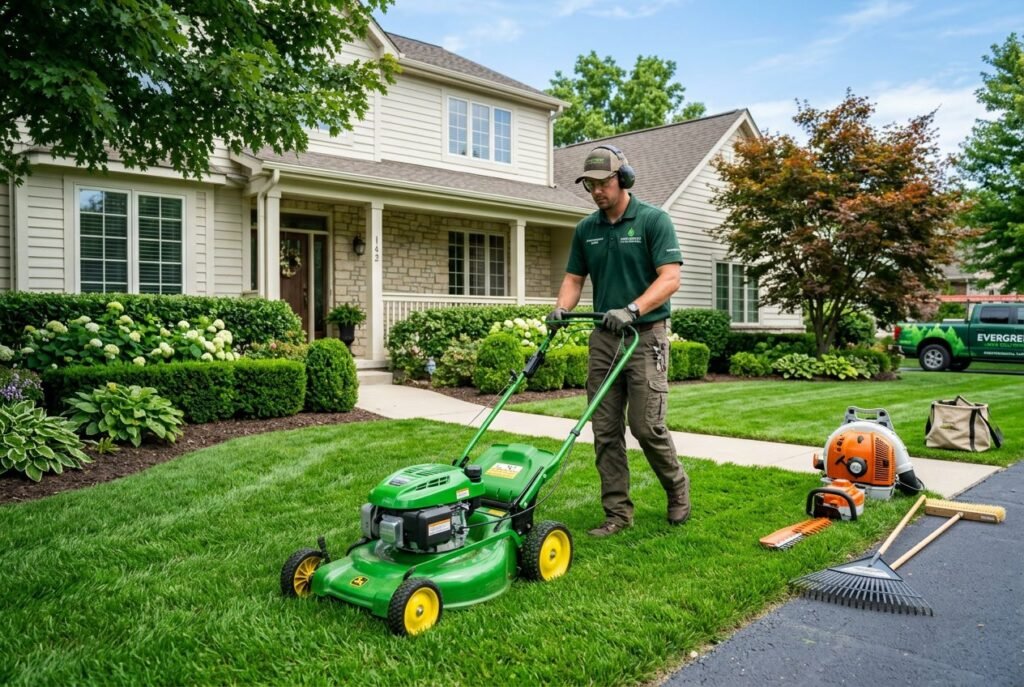
You’ve probably seen pressure washing trucks driving around or watched someone blasting grime off a driveway.
A pressure washing business uses high-pressure water equipment to clean things like driveways, sidewalks, building exteriors, decks, fences, and roofs for both homes and businesses.
It might look easy, but there’s more to it than just spraying water everywhere.
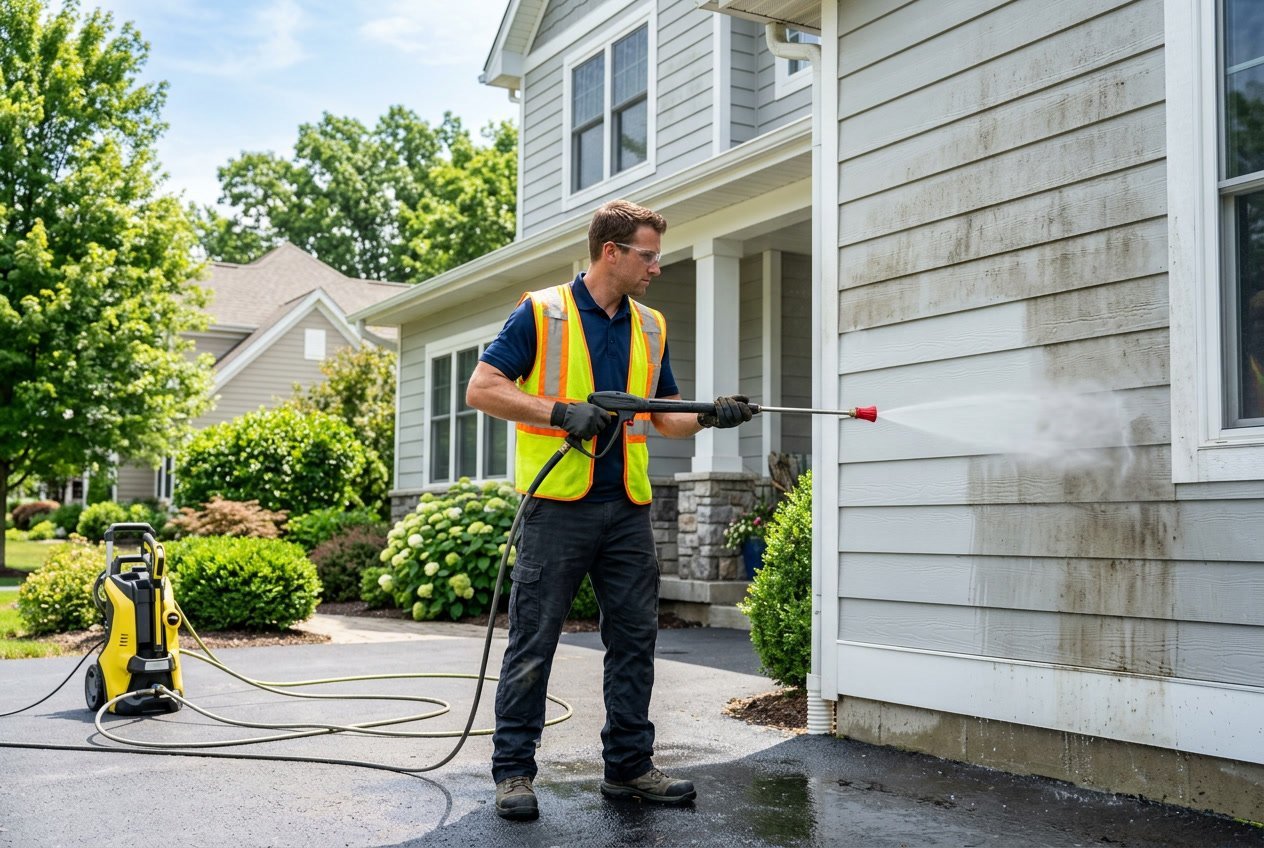
The job isn’t just about showing up with a machine. You have to know how to handle different surfaces, pick the right cleaning solutions, and avoid damaging anything.
Some jobs need gentle soft washing for delicate stuff like vinyl siding, while others need full pressure for concrete and brick.
Key Takeaways
- Pressure washing businesses clean exterior surfaces using special equipment and techniques for homes and commercial properties.
- The job means knowing how to use different cleaning methods for different surfaces so you don’t mess anything up.
- This type of business has low startup costs and lots of flexibility, but it’s physical work and demand can be seasonal.
What Is a Pressure Washing Business?
A pressure washing business is a service company that cleans buildings, surfaces, and equipment using high-powered water spray. You’ll use special machines that blast water at high pressure to get rid of dirt, grime, mold, and stains on stuff like driveways, decks, siding, and parking lots.
These businesses work with both homeowners and commercial clients. Residential customers might want their house, fence, or patio cleaned.
Commercial clients include property managers, stores, restaurants, or office buildings that need regular cleaning.
Common services you’d offer include:
- Driveway and sidewalk cleaning
- House and building exterior washing
- Deck and fence cleaning
- Parking lot maintenance
- Graffiti removal
- Fleet and vehicle washing
The business model is simple. You bring your gear to the customer’s place and do the cleaning there.
Some jobs are quick, others take all day depending on how big or dirty the area is.
Most pressure washing companies work year-round, but things can slow down in winter if you live somewhere cold. You can run this solo or build a team as you get more customers.
When starting a pressure washing business, you’ll want to figure out what services you’ll offer, what gear you need, and who your customers will be. Having a clear pressure washing business plan makes it way easier to get started and attract clients.
What Does a Pressure Washing Business Do?
A pressure washing business uses high-powered water equipment to clean buildings, vehicles, and outdoor surfaces for homes and businesses. They handle tough jobs that regular cleaning just can’t do, like removing years of grime from driveways or making buildings look fresh again.
Common Services
Most pressure washing businesses offer cleaning for homes and businesses in a bunch of different areas. House washing is big—cleaning vinyl siding, brick, stucco, and painted surfaces to get rid of dirt, mold, and mildew.
Concrete cleaning is another common job. This covers driveways, sidewalks, patios, and parking lots, getting rid of oil stains, tire marks, and old grime.
Roof and gutter cleaning is popular too. Soft washing is usually used here since high pressure can mess up shingles.
Fleet washing is for businesses with lots of vehicles, keeping their trucks and vans clean. Other jobs include fence washing, deck cleaning, and window washing for big buildings. Some focus on graffiti removal for businesses.
Pressure washing companies sometimes focus on certain markets like homes, businesses, boats, or farm equipment, depending on what’s popular where they live.
Who Hires This Kind of Business?
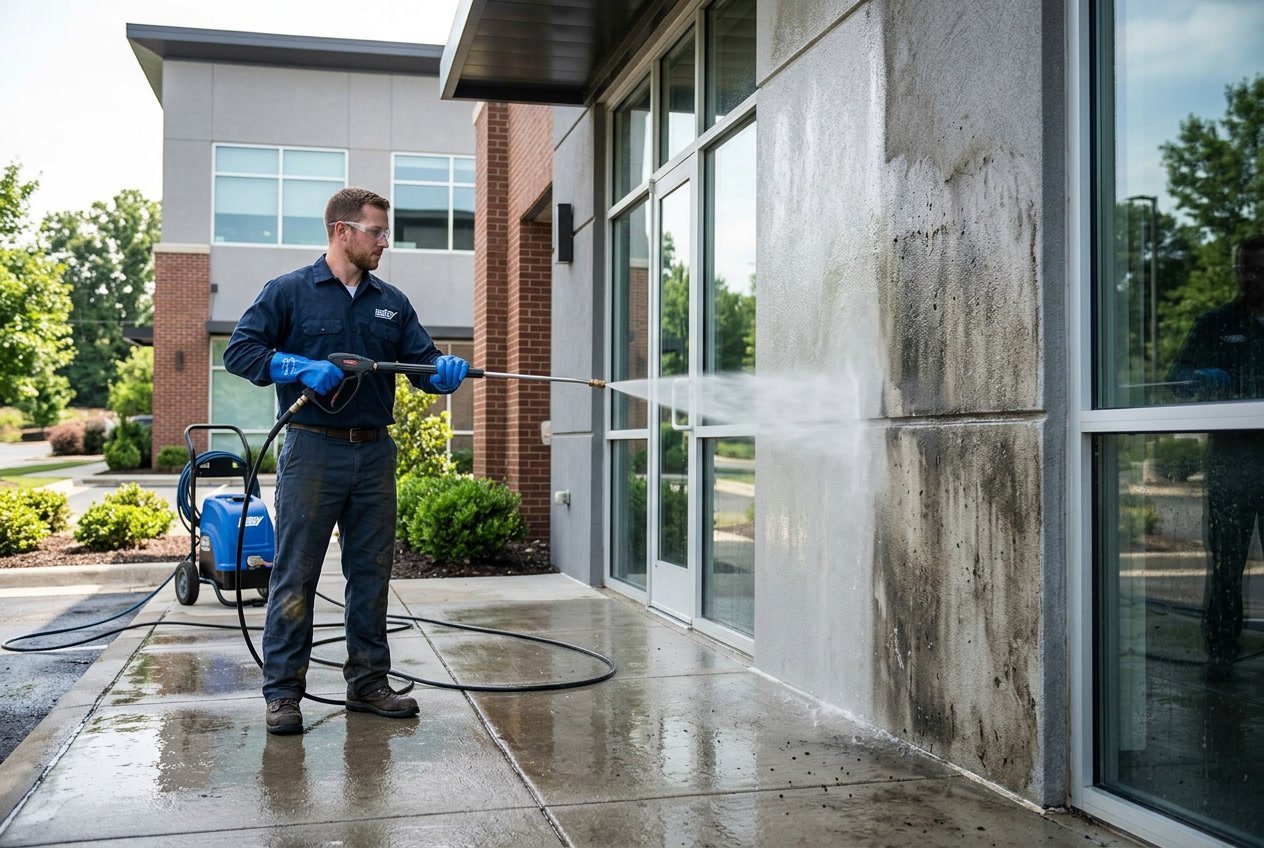
Property owners who want their buildings and outdoor spaces to look clean hire pressure washing businesses. You’ll find customers in both neighborhoods and business areas.
Typical Customers
Most of your customers will be homeowners who need residential pressure washing. They’ll want their siding, driveway, porch, or deck cleaned.
Some are getting ready to sell, some have an event coming up, and others just want things to look nice. Older homeowners with more money are great customers—they can afford it and don’t want to do the work themselves.
You’ll also work with business owners who need their properties cleaned. They need help with building exteriors, parking lots, walkways, and signs. Keeping things clean makes their business look good for customers and employees.
Property managers and real estate agents hire pressure washers too. They want rentals and homes to look good before showing them to buyers.
What Problems Does This Business Solve?
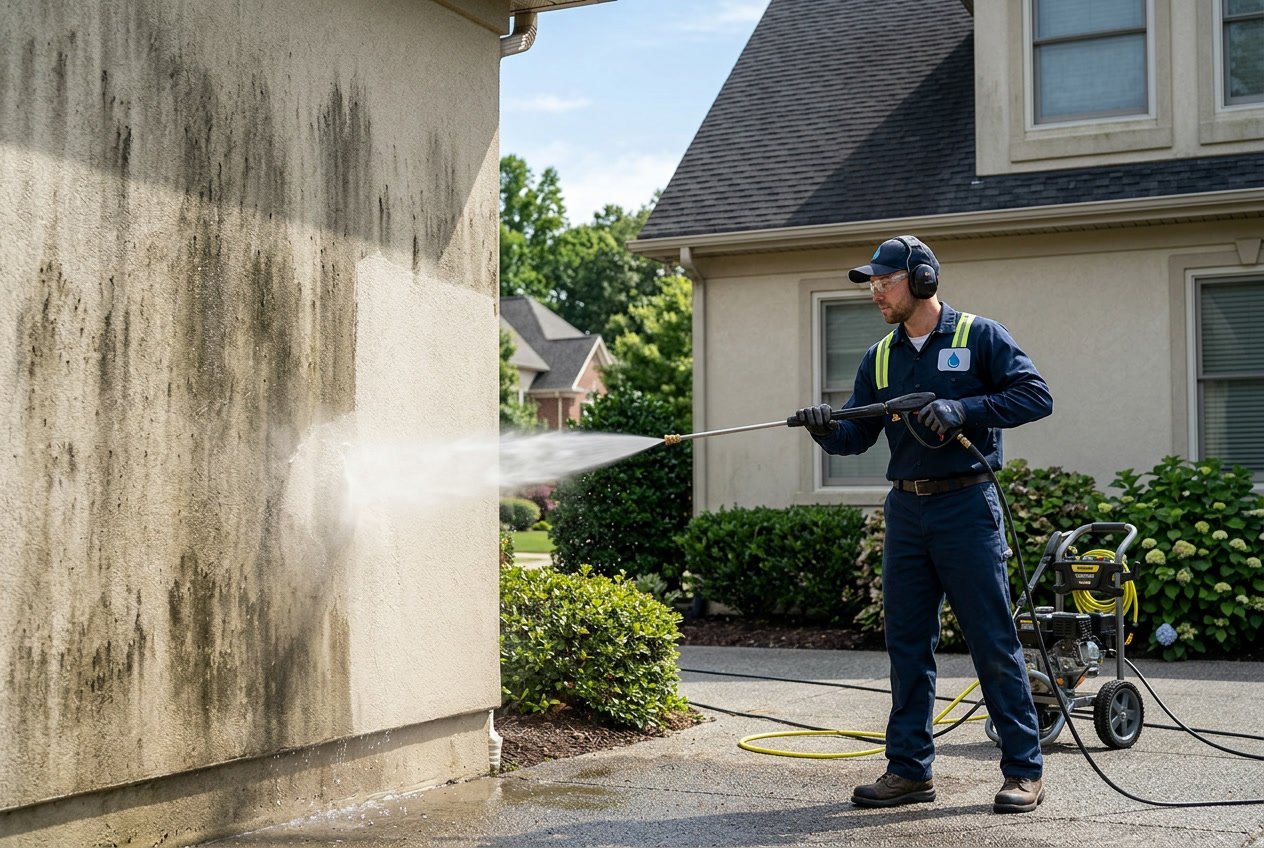
Pressure washing businesses handle dirty surfaces that regular cleaning can’t fix. They help property owners get rid of grime, mold, and stains that make places look old and run-down.
Common Customer Pain Points
Your siding gets green and dirty over time. Your driveway gets oil stains that won’t come out with a hose. Decks turn black with mildew, and fences fade and look rough.
These aren’t just ugly—they can actually damage your property if you ignore them. Mold and algae eat away at wood, concrete, and siding.
Most people don’t have the right tools to deal with this stuff. A regular hose isn’t strong enough, and scrubbing by hand is a pain.
Pressure washing businesses show up with pro-level equipment and handle it fast. They can clean years of buildup in a few hours. The high-pressure water blasts away dirt and stains without messing up the surface.
What Is the Work Actually Like?
The daily routine is pretty physical and you’ll be outside a lot, using special equipment to clean all sorts of stuff for different clients.
Day-to-Day Work
Most of your day is spent running the pressure washer to blast away dirt and stains. You start by loading up your gear and heading to job sites.
Once you get there, you set up your machine and check out what needs cleaning. You might work on driveways, sidewalks, houses, or fences.
Each job means picking the right nozzle and water pressure so you don’t mess anything up.
Common daily tasks include:
- Hooking up hoses and testing your equipment
- Spraying cleaning solutions if needed
- Using surface cleaners for big flat areas
- Working around obstacles and tight spots
- Packing up and driving to the next job
The work is tough physically. You’re on your feet, holding the pressure washer, bending, reaching, and sometimes working in weird positions.
Different pressure washing techniques matter depending on what you’re cleaning and the equipment you use.
Who Might Be a Good Fit for This Kind of Work?
This job is for people who don’t mind getting wet and dirty and like being active outside. You’ll need to be in decent shape and have the right attitude to handle the work.
Helpful Traits and Strengths
Being physically fit is a must—you’re on your feet, moving hoses, and sometimes lifting heavy stuff like water tanks or ladders.
You should be cool with working alone for long stretches. A lot of the time, you’ll be solo at job sites.
Being detail-oriented helps, since clients will notice if you miss a spot or damage something. You need to pay attention to the pressure settings and keep an eye out for any problems.
If you want to run your own business, you’ll do more than just clean. You’ll have to handle stuff like managing money, scheduling, and talking to customers. People who like variety and problem-solving usually do well, since every job is a little different.
What Are the Pros and Cons?
Running a pressure washing business has perks like flexible hours and being your own boss, but it’s also tough physically and can depend on the weather.
Pros
You’re totally in charge of your own schedule and how much you wanna work. Pick the jobs you like, work when you want, and take a day off whenever you feel like it.
The business model is super simple. Show up, clean stuff, get paid, and move on to the next spot.
Customer retention rates are usually high because folks need their places cleaned regularly. If you do a solid job, chances are they’ll call you back next time.
You can build a good local rep through word-of-mouth. People love to recommend someone who does great work.
The job keeps you moving and outside. If you hate being stuck at a desk, this is a nice change of pace.
Cons
The work can be tough on your body. You’re lugging heavy gear, standing for hours, and sometimes working in weird positions just to reach every spot.
Weather can mess with your plans. Rain, crazy cold, or blazing heat can shut you down for the day, so your work week isn’t always predictable.
You’ll have to think about stuff like commercial auto insurance if you’re hauling gear around. There’s also the risk of damaging property with the high-pressure equipment, so insurance is a smart move.
Business usually picks up in spring and summer but slows down in winter, depending on where you live.
Frequently Asked Questions
Starting a pressure washing business comes with a lot of questions, especially around equipment, licenses, pricing, and profit potential. These are some of the most common questions people ask when researching how to get started.
You’ll need a solid pressure washer, and most people go for a gas-powered one since you’re not tied to an outlet. It gives you way more freedom to move around.
Grab a few different nozzles, too. Each one sprays at a different angle, so you can handle everything from gentle rinsing to blasting off tough stains.
Other basics: hoses, a surface cleaner for big flat spots, and some cleaning solutions for different types of grime. You’ll also need a way to haul your stuff, like a pickup or a trailer.
Don’t skip on safety gear like goggles and boots with good grip. That water pressure can do some damage if you’re not careful.
It really depends on where you live. Some places want you to have a business license, others don’t care as much about pressure washing rules.
Sometimes you might need a contractor’s license for certain jobs. Best bet? Check with your local city hall or county office to see what’s up in your area.
Most pros carry insurance even if it’s not required. It covers you if something goes sideways on a job.
How much you can charge really depends on your area and what you’re cleaning. Some people bill by the hour, others by the square foot, or just by the job.
It also matters what surface you’re working on. Concrete driveways are a different game than siding or decks.
Harder jobs, like getting out oil stains or heavy mold, take more time and special cleaners, so you can charge more for those.
The price to clean a 2,000-square-foot area depends on what you’re washing and how dirty it is. Flat concrete usually costs less than siding with lots of nooks and crannies.
Pricing jobs often means checking out how nasty the surface is. Years of grime will cost more than a quick touch-up.
Where you live matters, too. Big city prices are usually higher than small towns, and what other businesses charge nearby affects your rates.
Your main tool is the pressure washer, plus hoses and a few nozzle tips for different jobs. You can’t use just one for everything.
A surface cleaner attachment is a lifesaver for big flat areas like driveways. It makes the job way faster and more even.
You’ll want a few cleaning solutions for different messes, like grease or mold. Some are made just for certain types of dirt.
Don’t forget the business side: a way to take payments and something to keep track of your jobs. A lot of people just use their phone for scheduling and invoices.
Getting customers when you’re just starting out can take a while. People don’t really know about your business yet, so it might be slow at first.
Some folks land their first jobs in a couple of weeks. Others might need a few months before things really pick up.
Word of mouth is huge in this game. When you do a solid job for someone, they’ll usually tell their friends or neighbors.
The time of year matters, too. Spring and summer are super busy since everyone wants their place cleaned up.
Winter’s a bit slower, especially in colder spots. If you start during the busy season, you’ll probably get jobs faster.