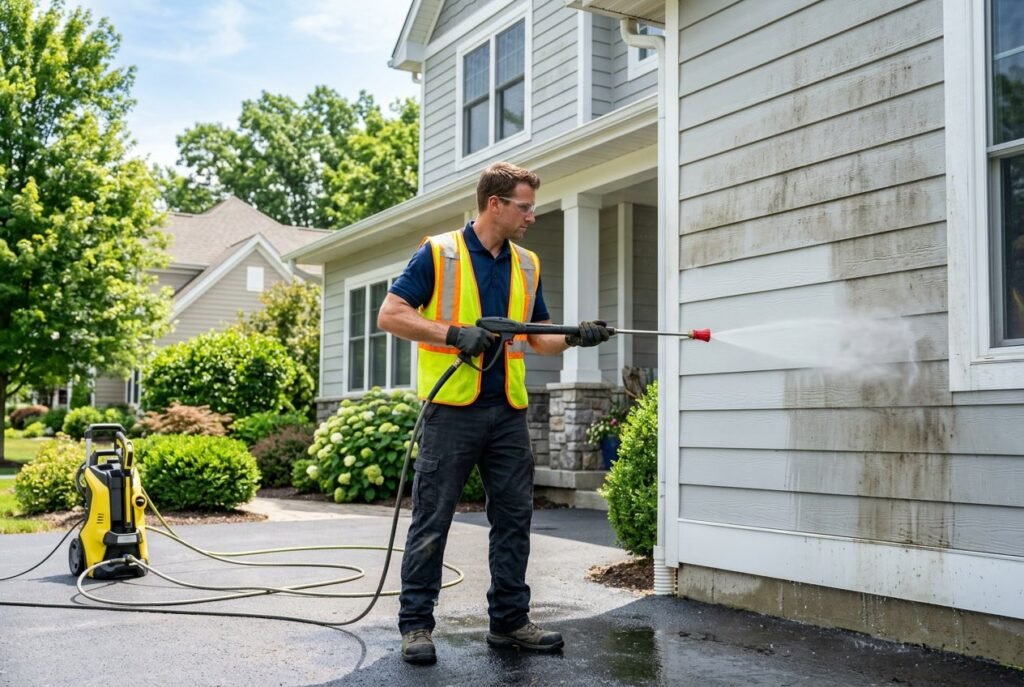
A lawn care business keeps yards healthy, tidy, and ready for use. It covers stuff like mowing, trimming, fertilizing, and cleanups. Basically, all the things that help your lawn look good without you breaking a sweat.
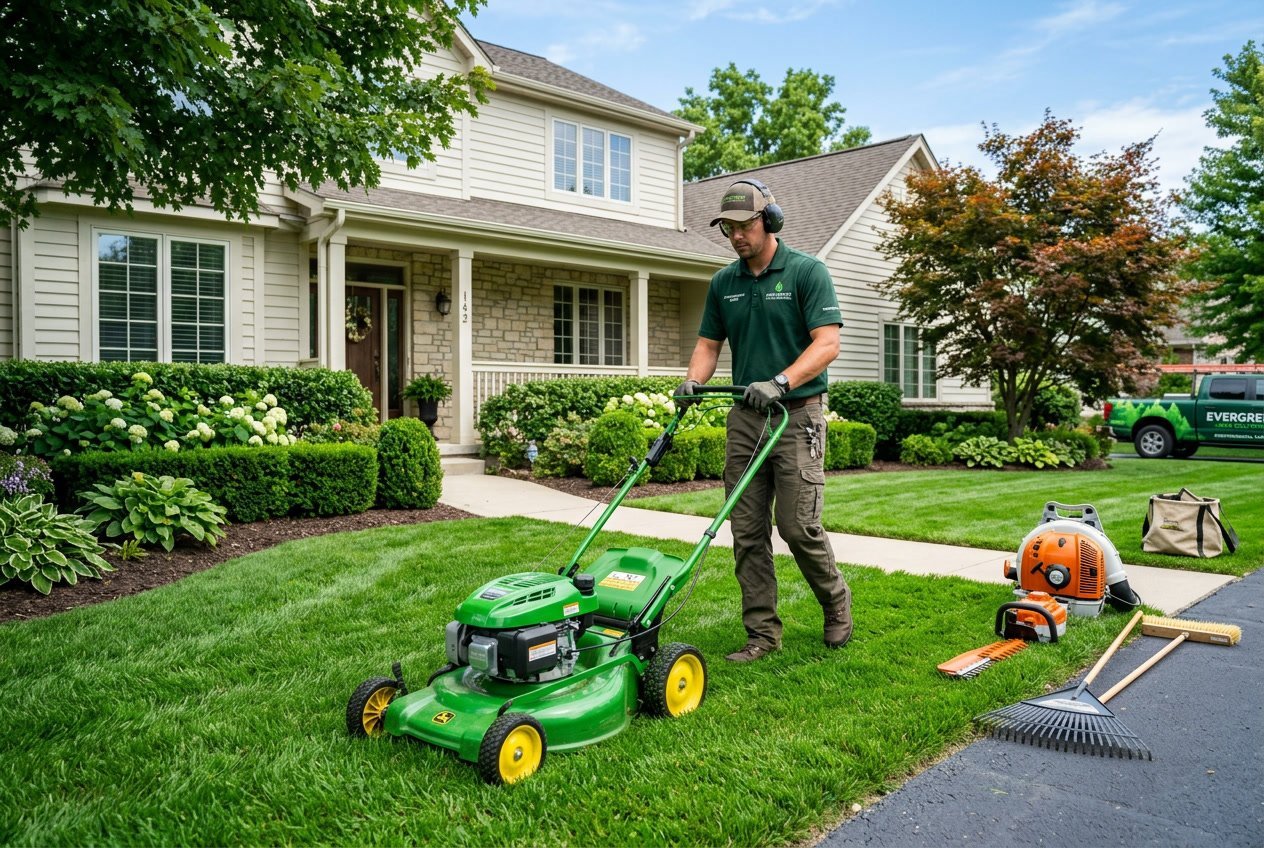
Most days, you’re bouncing from house to house, doing work people notice right away. If you like being outside and chatting with neighbors, this line of work can actually be pretty rewarding.
Key Takeaways
- Lawn care is all about routine outdoor maintenance and making things look sharp.
- You’ll do physical work, but there’s also a bit of planning and customer service in the mix.
- It’s a solid fit if you enjoy being outside and want to build relationships with local clients.
What Is a Lawn Care Business?
So, a lawn care business is about keeping grass and yards looking neat for people who’d rather not do it themselves. You’ll figure out what each client wants, pick out the right tools, and see how it’s not quite the same as those big landscaping companies.
Simple Definition
Lawn care is the regular stuff: mowing, edging, blowing, maybe some fertilizing or aeration. Some folks just want their grass cut every week, while others want a little extra, like seasonal treatments or help with bare patches.
You can start solo with a mower and a trimmer, or build a crew for bigger jobs. Landscaping is a different beast. It’s more about designing gardens or installing patios, not just keeping lawns tidy.
People hire you for the basics: a neat, healthy, safe lawn. It’s work most homeowners and property managers are happy to hand off.
What the Business Helps Customers With
Customers mostly want to save time and have a yard that looks good without the hassle. For homeowners, that means a tidy lawn and fewer weeds. For offices or rentals, it’s all about keeping up appearances.
Typical services? Mowing, trimming, leaf cleanup, some fertilizing, and maybe basic weed or pest control. You might even offer snow removal if you’re somewhere chilly. Being clear about your schedule and what’s included really helps build trust.
You’re fixing real problems: overgrown grass, messy borders, and damage from bugs or compacted soil. By sticking to a routine, you give people results they can count on.
What Does a Lawn Care Business Usually Do?
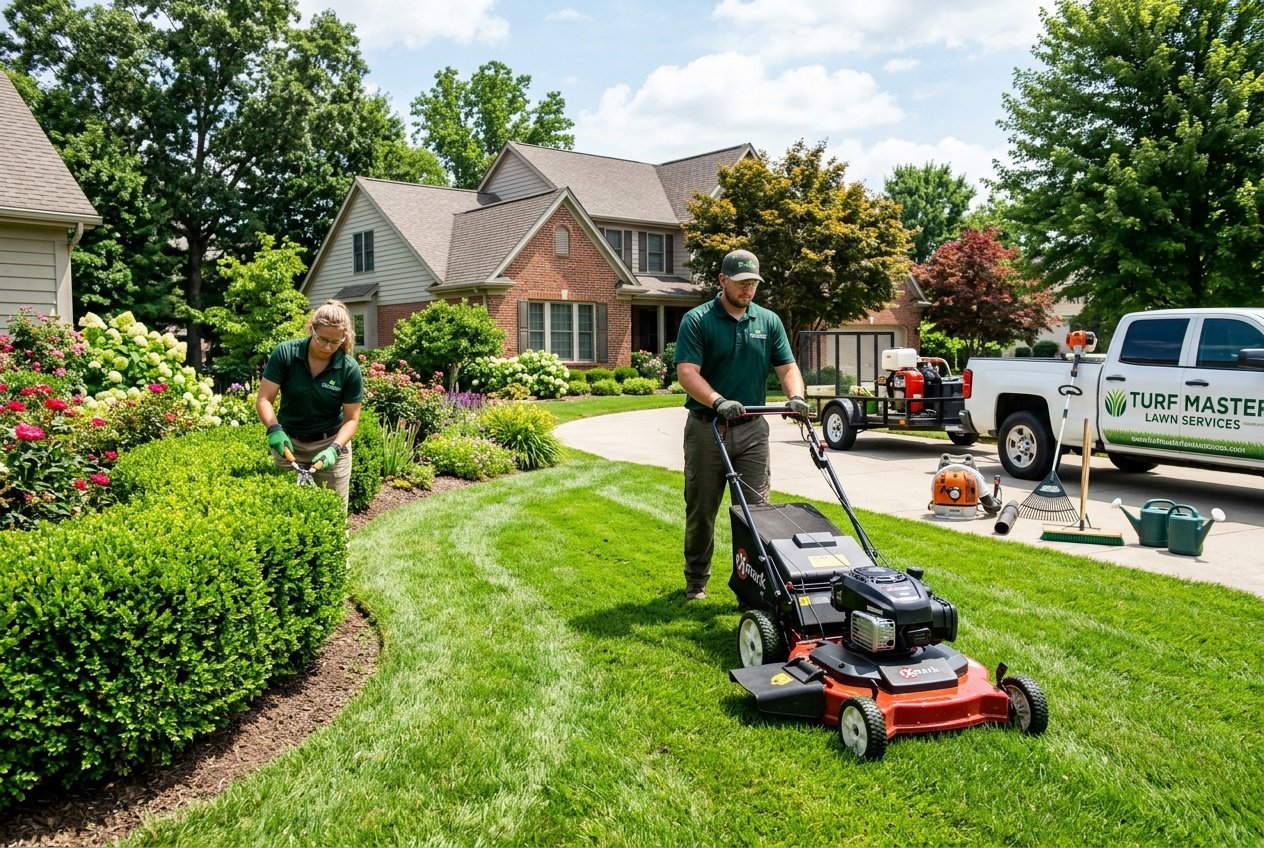
Your job is to keep yards healthy, neat, and safe. That means working on grass, plants, and sometimes a few outdoor systems so everything looks cared for.
Common Services
You’ll be mowing and trimming to keep grass at a good height, and making sure edges along sidewalks and driveways look clean. Add things like leaf removal, spring cleanups, and seasonal tasks to your toolkit.
Fertilizing and weed control are on the list too, plus aeration and dethatching if someone wants their lawn to really thrive. Some folks need overseeding or sod for bare spots, and a lot will want their shrubs trimmed.
Bundling services into a plan makes life easier for both you and your customers. Just be clear about what’s included so there’s no confusion.
Day to Day Tasks
Most days start with planning your route and checking your gear, like mowers, trimmers, rakes, and everything else you need. You’ll drive to each job, set up, and get to work mowing, edging, blowing clippings, and cleaning up.
If you’re handling treatments, you’ll mix up fertilizer or weed killer and keep track of what you used. Seasonal stuff like leaf cleanup or dethatching pops up too.
There’s some admin: talking to customers, snapping before-and-after photos, logging hours, and keeping your tools sharp. Simple texts and invoices go a long way in keeping everyone happy and your business running smooth.
Who Usually Hires a Lawn Care Business?
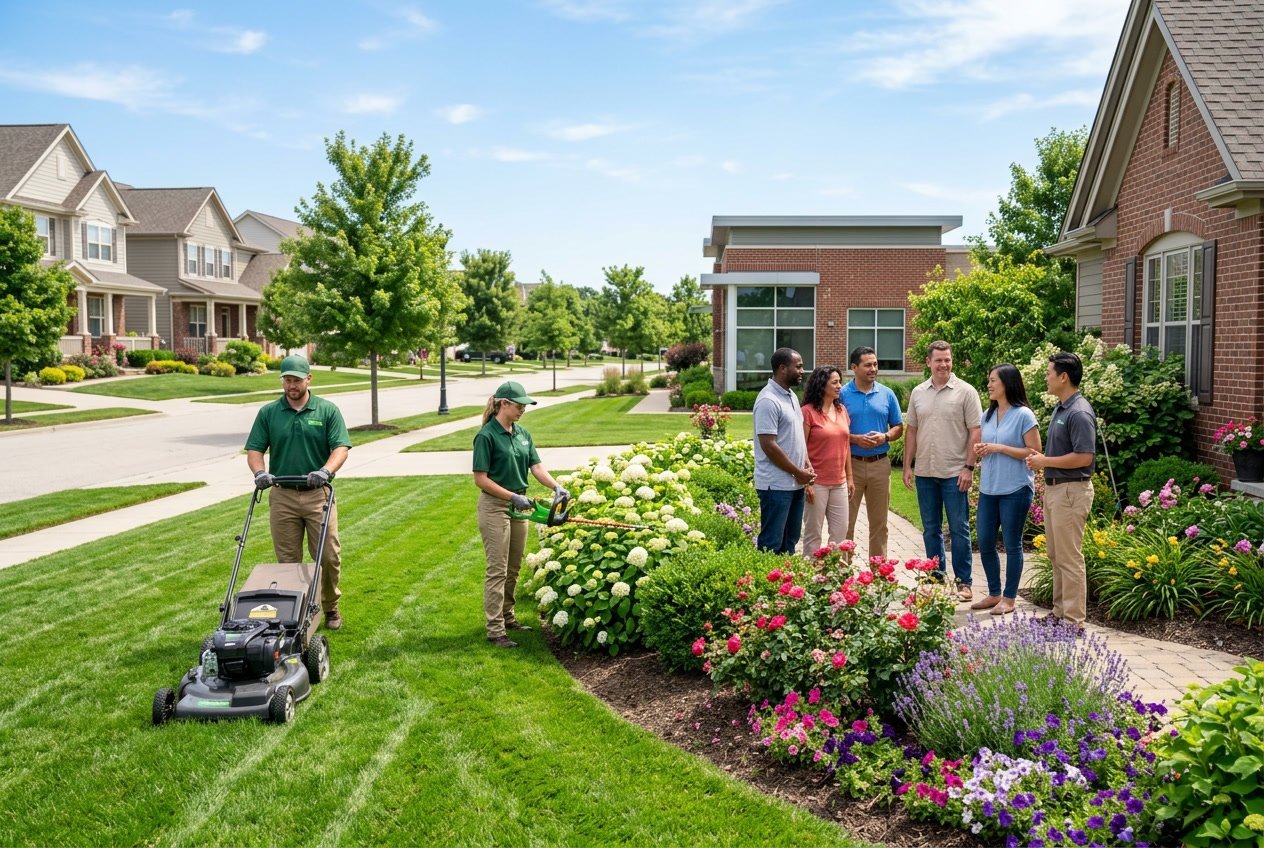
Most of your clients will be homeowners or small property managers. They want regular mowing, clean edges, and some help with plant or soil issues.
Residential Customers
Homeowners usually need mowing, trimming, leaf cleanup, and sometimes aeration or fertilizing. Busy families and seniors especially love having someone else take care of it every week or two.
Add-ons like hedge trimming or mulch installation are big sellers. Being upfront about when you’ll show up and how much it’ll cost keeps people coming back.
Lots of folks like bundled plans, where they pay one price for regular mowing plus a few seasonal extras. If you make it easy to book online or by text, you’ll stand out.
Other Common Customer Types
Small commercial spots, like retail centers or offices, hire lawn care businesses to keep things looking sharp and safe. They need reliable schedules, and sometimes they want the work done outside business hours.
HOAs and property managers might ask for bigger jobs like mulching, planting, or winter snow removal. They’ll want written proposals and proof you’re insured, too.
Local businesses sometimes need flower bed care or irrigation checks. These clients really appreciate quick responses and pro-level equipment.
Why Do People Pay for Lawn Care Services?
Honestly, most people pay for lawn care because it saves them time and keeps their yard looking good without stress. You get regular visits, better treatments, and weekends back to do… literally anything else.
Convenience
You don’t have to spend your Saturday mowing or hauling clippings. The lawn pro shows up, brings their own tools, and handles the routine stuff.
There’s no guessing when to fertilize or aerate because techs know what to do and when. That means fewer mistakes and a healthier lawn in the long run.
For busy families, having someone else handle the yard is just one less thing to juggle. Plus, regular service means you know who’s coming and what to expect every visit.
Appearance and Upkeep
With a pro, you get a cleaner cut, sharper edges, and way fewer weeds. Fertilizer and weed control are handled, so your grass stays thick and green.
They’ve got tools most homeowners just don’t own, like aerators or dethatchers, which really do make a difference. Pros can also spot pests or diseases early and nip them in the bud.
If curb appeal matters to you, regular care keeps your yard ready for guests or even a house sale. And when you stick with one company, they get to know your lawn and keep it looking its best over time.
What Makes Lawn Care Different From Other Local Service Businesses?
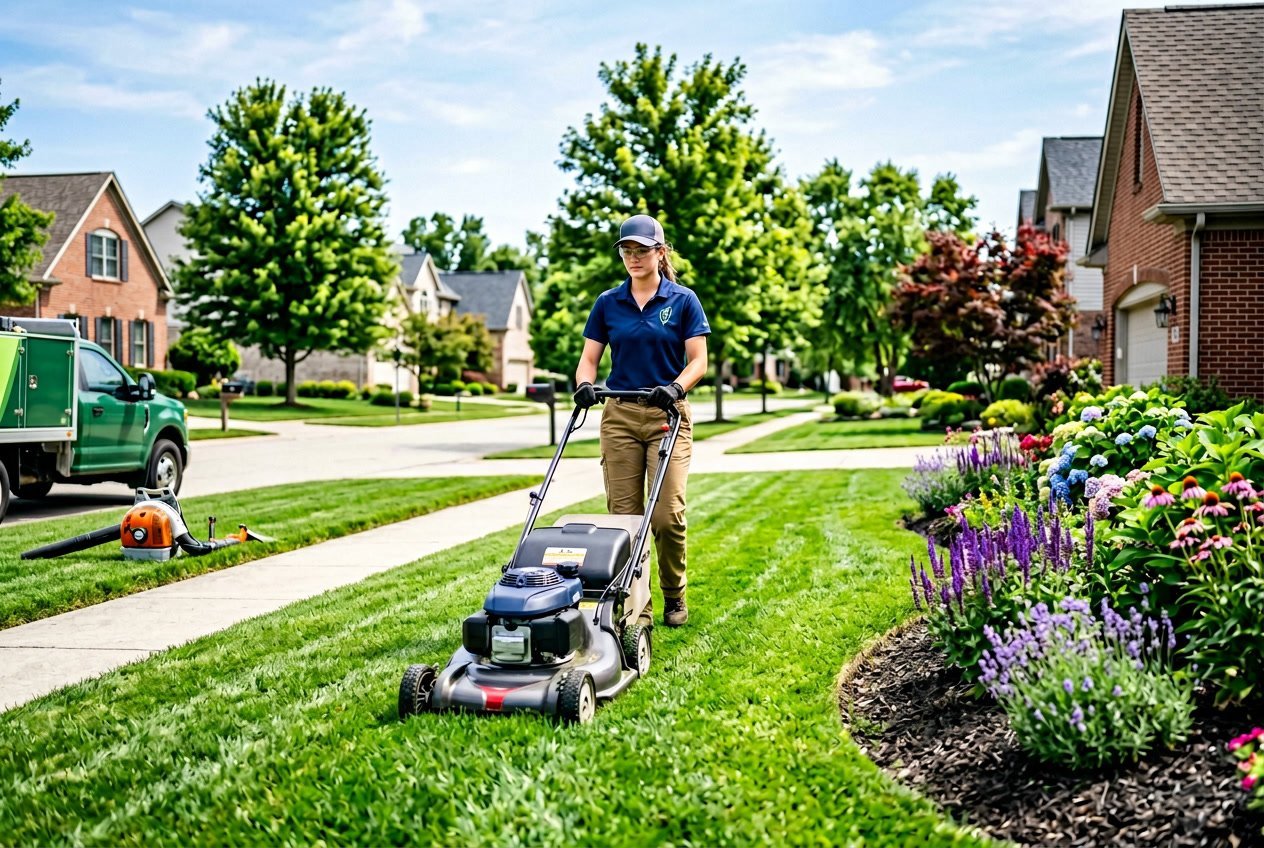
Lawn care is a mix of physical work, planning around the seasons, and lots of repeat visits. You’ll need good tools, a solid route, and a knack for timing things so customers stay happy.
Outdoor Hands On Work
You’ll spend most of your time outside, doing stuff like mowing, edging, pruning, and spreading mulch. Weather can mess with your plans because rain, heat, or cold all change what you can get done, so you’ve got to be flexible.
Your gear matters a lot. Mowers, trimmers, and blowers all need regular TLC. If you’re handy, fixing small issues yourself saves time and cash. Safety is a big deal too, so don’t skimp on eye and ear protection.
Most of your customer chats happen right on the property. People see your work instantly, so you get feedback, whether it’s good or bad, pretty much on the spot.
Repeat Service Potential
Lawn care is built for repeat business. Once you’ve got a customer, you can plan regular stops like weekly or biweekly visits, especially during the growing season.
Seasonal extras like fertilizing or leaf cleanup are easy upsells, and you don’t have to do a hard pitch. Keeping clients happy comes down to doing good work and keeping them in the loop about timing and prices.
Because you’re doing a lot of recurring jobs, having some kind of basic software or even a spreadsheet helps keep everything straight. Missed appointments are a pain, so a little organization goes a long way.
What Is the Work Like Behind the Scenes?
Most days, you’re out there doing the work, keeping customers happy, and juggling a bit of everything, including physical chores, tool checks, route planning, and a little quick thinking when stuff goes sideways.
Physical Work
You’ll use all kinds of tools: riding mowers, zero-turns, or just a push mower if the yard’s small. String trimmers and blowers are your best friends for edges and cleanup. You’ll need a spreader for fertilizer and a few hand tools for planting or pruning.
Maintenance is part of the gig. You’ll be checking oil, sharpening blades, swapping air filters, and tightening things up to keep everything running. Safe lifting and fueling are important too, since no one wants a pulled back or a spilled tank.
Expect to deal with wet grass, mud, and dust, sometimes all in one day. Weather can slow you down or make things tricky, so you’ve got to roll with it.
You’ll haul gear in a truck or trailer, tweak mower height for each yard, and always do a final walk-around to make sure everything looks good before you pack up.
Scheduling and Customer Service
You’ll want to plan your routes so jobs near each other save time on the road. Just use a simple calendar or an app, and group properties by neighborhood and how often they need mowing.
Don’t forget to build in time for travel, setup, and those surprise hiccups like a stuck mower belt or a flat tire on your zero-turn.
Customer service is kind of an everyday thing. You’ll confirm appointments, take note of special requests, and sometimes explain why a lawn needs a certain cut or fertilizer.
It helps to jot down clear notes for each yard, like gate codes, sprinkler spots, or trouble areas. Most problems get sorted out with polite communication and quick follow-up.
Be upfront about your prices and what’s actually included. If someone complains, listen, offer to come back and fix it, and make a note of the visit.
Who Might Be Interested in This Kind of Business?
Before you jump in, think about whether your skills and preferences fit this work. The best fit is someone who likes solving practical problems and doesn’t mind being outside or chatting with customers.
Good Fit for Practical People
If you’re handy and like fixing things, this business is honestly a good match. You’ll use mowers, trimmers, and hand tools all the time, so being comfortable with basic repairs is a real plus.
You’ll also need to plan out your routes, figure out how long jobs take, and pick which services to offer each week. Organization and quick thinking matter, like when a mower clogs or there’s a scheduling mix-up.
Dealing with clients about payments and job details means you’ve got to be clear and polite. You don’t need fancy training to start, but learning some basics about plant care and mowing patterns really helps you look legit.
Good Fit for People Who Like Outdoor Work
If you’d rather be outside than stuck at a desk, this job keeps you moving. You’ll be walking yards, lifting gear, and dealing with whatever weather comes your way, including hot, windy, or drizzly days.
It’s satisfying to see a neat lawn or sharp edges when you’re done. You’ll meet all kinds of neighbors, so if you like quick chats and helping people keep up their yards, you’ll enjoy that part.
Just keep in mind, this work can be seasonal depending on where you live. You might need to adjust your schedule or services during slower months. If you want variety and don’t mind steady physical work, it’s a solid fit.
What Should Beginners Understand About This Type of Business?
You’ll want to be clear on which services you’ll offer, how you’ll find customers, and what tools you actually need to buy. If you stay organized, show up on time, and keep people happy, you’ll stay busy.
It Seems Simple but Still Takes Effort
Mowing looks easy, but running a lawn care business is more than just cutting grass. You’ll decide which services to offer, like basic mowing, edging, trimming, fertilizing, or maybe seasonal stuff like leaf cleanup.
Figure out if you want to stick with just mowing or add extras that boost your hourly rate. You’ll need to know the basics of equipment care, like sharpening blades, changing oil, and checking belts, so you don’t break down mid-job.
You’ll be driving between yards, estimating time per job, and setting fair prices that actually cover fuel and wear. Customer communication is huge: confirm appointments, note special requests, and keep track of yard details so you don’t mess up.
Even simple habits like showing up with clean gear and using a basic invoice system help you look professional.
Consistency Matters
Repeat customers are what keep you going. Try to show up on the same day each week, or at least stick to a schedule your client expects.
Use a simple system to handle bookings and payments, like a calendar, client list with notes, and a basic pricing sheet to help avoid double-booking or missed stops. Stick to the same workflow by checking your gear, confirming with the client, doing the work, tidying up, and getting paid.
Keep your quality steady. Mow at the right height, leave clean edges, and clear clippings if that’s part of the deal. Little reliable touches get you referrals and make it easier to grow if you want to hire help or add services later.
Frequently Asked Questions
Here are some common questions about getting started, legal stuff, pricing, and practical tips for equipment, permits, insurance, and finding customers.
You’ll need the basics: a mower, trimmer, blower, and some safety gear. If you’re hauling stuff between jobs, a reliable truck or trailer is pretty much required.
Pick a business structure, like an LLC or sole proprietorship, and register with your state. Get general liability insurance, and if you’re using a vehicle for work, think about commercial auto insurance too.
Set up how you’ll get paid and manage jobs. A payment app, a simple scheduling tool, and a way to track expenses and startup costs are all you really need to begin.
Start with a quick market analysis and figure out who your customers are and what others charge. List the services you’ll offer, like mowing, edging, fertilizing, or maybe pesticide application.
Write a basic budget for revenue and expenses, including startup costs and insurance. For marketing, think local SEO, a Google Business Profile, flyers, or a referral program to get those first customers.
Add a section about how you’ll manage routes, keep up with equipment, and what you’ll do if you hire help. Keep it simple and update as you learn your local market better.
You’ll need to follow local rules for licenses and permits, especially if you’re doing landscaping or using pesticides. For pesticides, check if you need a special applicator license in your area.
Some places have rules about waste disposal, noise, or commercial work, so check with your city or county. Make sure you have the right business insurance, like general liability or commercial property, to protect yourself and your clients.
Usually, you’ll set up a regular route and visit each property on a set cycle. Use route optimization to cut down drive time and save on fuel and labor.
Keep things efficient with reliable equipment and simple payment processing. Build a loyal customer base by doing consistent work, communicating well, and asking for reviews.
Look at the business structure, financials, and any debts or contracts. Check out the customer list, current routes, and the condition of the equipment.
Make sure all licenses, permits, and insurance are up to date or can be transferred. Think about how you’ll keep current clients, adjust pricing, or add new services like fertilization or commercial accounts.
Start by looking at your own costs. Think about labor, fuel, equipment wear, insurance, and even stuff like marketing.
Check out what other folks in your area are charging. You don’t want your prices to be way off from the local market, right?
Figure out if you want to charge per visit, by the hour, or maybe by property size. Each way has its pros and cons, honestly.
Keep an eye on your profit margins as you go. You’ll probably need to tweak things once you see how much you’re really spending.
If you want a deeper dive, there’s a pretty solid step-by-step lawn care startup guide here: How to start a lawn care business.