
There’s a moment when you realize something feels off.
You’re doing everything right. Showing up. Working hard. Being responsible. The paycheck comes in and life keeps moving. On paper, it’s stable.
But if you stop working, the income stops too.
That thought hits me all the time. It bothers me more than I like to admit. Not because work is bad, but because dependency is uncomfortable. I don’t like knowing that my financial life is tightly tied to my physical presence.
Jobs have their place. They pay the bills. They can even be strategic if you’re learning skills you’ll use later.
What doesn’t sit right with me is staying there forever with no larger plan.
I don’t want to just earn money. I want to build something.
Something that exists beyond my hours.
Here are the shifts that changed how I see the entire game.
The Linear Income Trap

Most people think they can outwork their way to wealth. More hours. More effort. Bigger paycheck.
That’s the trap.
When you rent your time, your income is capped by your presence. If you stop working, the money stops too. That should bother you. It bothers me every single day.
It’s not just about the cap. It’s the dependency. The lack of ownership. The fact that you don’t really control your financial future the way you think you do.
A job isn’t evil. We’ve all got bills. I actually think jobs can be strategic. Learn skills. Study how businesses operate. Get paid while you’re figuring things out.
But if there’s no bigger goal behind it, you’re just surviving.
Working harder doesn’t mean longer hours. It means building leverage. Assets. Things that earn without you clocking in.
For me, that’s this blog.
I’m not there yet. But I refuse to stay rented forever.
The Service Business Ceiling
A lot of creators think freelancing or starting an agency is the escape plan.
And at first, it feels like it is. More clients. More money. More proof you’re “doing your own thing.”
But here’s what no one tells you.
More clients usually means more stress. More emails. More fires to put out. More people depending on you.
You didn’t escape the time trap. You just upgraded it.
Now instead of one boss, you’ve got ten.
Service businesses scale revenue, sure. But they also scale coordination. Team members need approvals. Clients want revisions. Decisions pile up. And guess who everything runs through?
You.
That’s the invisible ceiling. Not money. Time.
If your business can’t run without you constantly validating and fixing things, you don’t own an asset. You own a demanding job with better branding.
The real shift happens when you extract what’s repeatable. Turn it into a product. Systemize it. Remove yourself from the middle.
Freedom isn’t more clients.
It’s less dependence on you.
The Permissionless Leverage Shift
We’re not living in the factory era anymore, but most people still think like we are.
Clock in. Put in 40 hours. Get rewarded for effort.
That mindset is outdated.
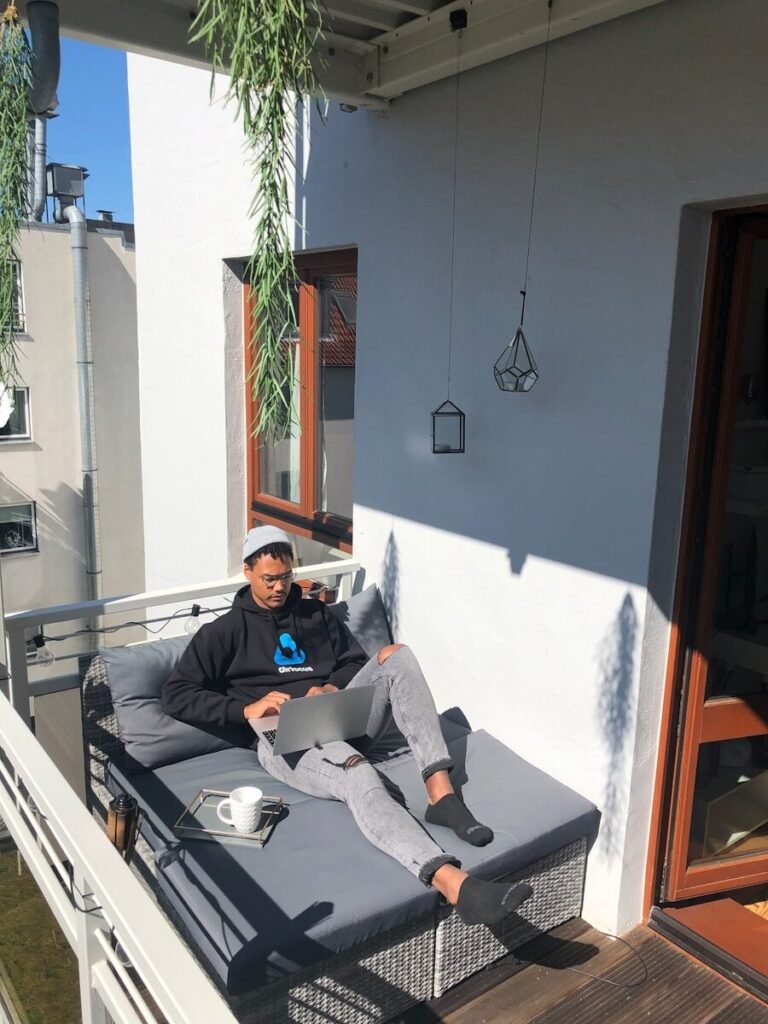
Today, you don’t need permission to scale. You don’t need investors. You don’t need to manage a hundred employees. You’ve got code. You’ve got media. You’ve got the internet.
You can build something once and let it replicate forever.
That’s insane when you really think about it.
A blog post can be read a thousand times. A video can sell while you’re asleep. A digital product doesn’t get tired. It doesn’t ask for a raise. It just runs.
Yet most people still believe hard work means exhaustion.
Hard work now is learning how to build leverage.
Train your skills. Create something scalable. Let systems do the heavy lifting.
You don’t need permission anymore.
You just need to stop thinking small.
The Algorithmic Hamster Wheel
A boatload of new creators believe they’ve escaped the system once they start posting online.
But if your income depends on constantly feeding an algorithm, you’re still answering to something. It just isn’t a person in an office anymore.
When you don’t own your audience, your reach can disappear overnight. One platform tweak and your views drop. One rule change and your monetization shifts. That kind of instability keeps you on edge whether you admit it or not.
It also blurs the line between your work and your identity. Your face, your thoughts, your life become the product. So you feel pressure to always be producing, always engaging, always checking stats.
That’s a fast track to burnout.
Content should be a vehicle, not the destination.
Use it to build assets you control. An email list. A product. A brand that isn’t dependent on daily output.
Otherwise you’re just running harder on a digital wheel.
Productize Your Specific Knowledge
You won’t get rich copying someone else’s blueprint.
If you’re chasing trends or trying to look like every other creator, you’re building something replaceable. And replaceable businesses don’t last.
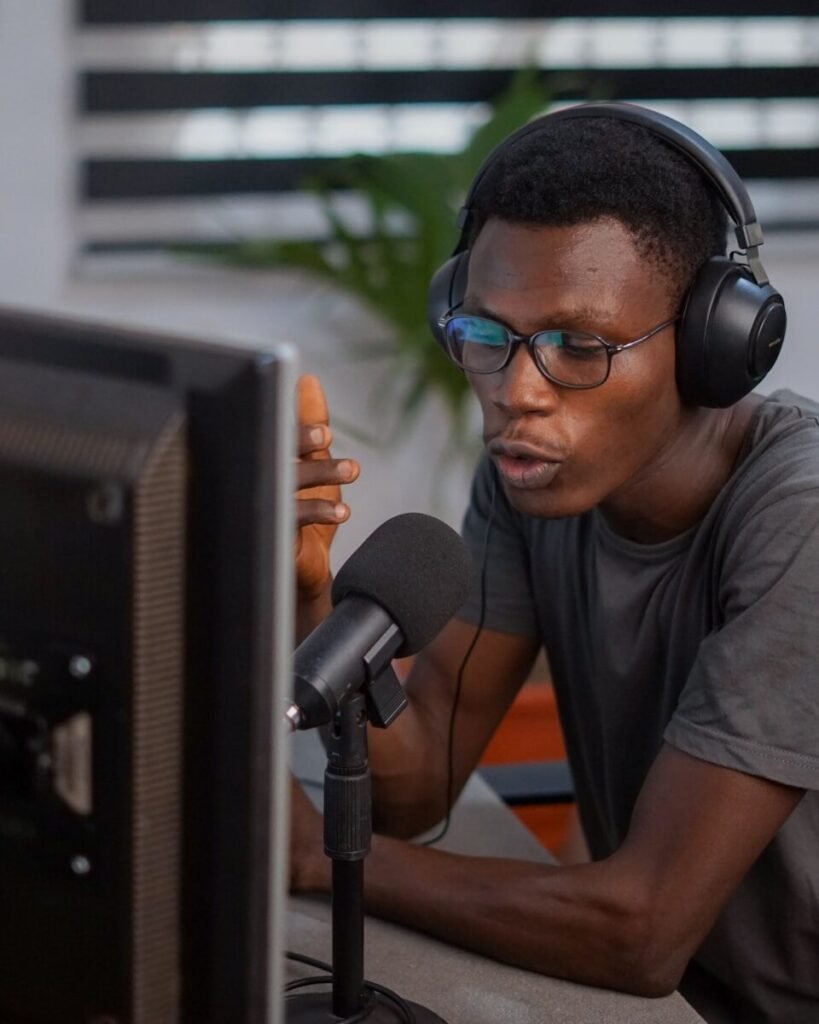
The real edge is specific knowledge. The stuff you’re naturally obsessed with. The topics you could talk about for hours without getting bored. The angles shaped by your experience and worldview.
Most people suppress that. They chase degrees. They chase “safe” paths. They train for roles that thousands of other people can also fill.
And if you can be trained, you can be replaced.
But when you lean into what makes you different and package it into scalable products, you shift the game. You’re not just freelancing for one client at a time. You’re building intellectual property.
Courses. Digital products. Content ecosystems. Assets.
When you productize who you are, you stop competing on price.
You compete on perspective.
And that’s a much harder thing to copy.
Final Thoughts
None of this flips overnight. I’m still in the middle of it, still building, still testing ideas and learning as I go.
What I do know is this: I don’t want my entire financial future tied to my calendar forever. I don’t want freedom to depend on approved time off.
The goal isn’t some dramatic exit tomorrow. It’s building intentionally today. Learning skills that compound. Creating assets that outlive my effort. Owning attention instead of renting it.
Over time, those small moves stack.
And eventually, rented time turns into leverage.
That’s the game I’m playing now.